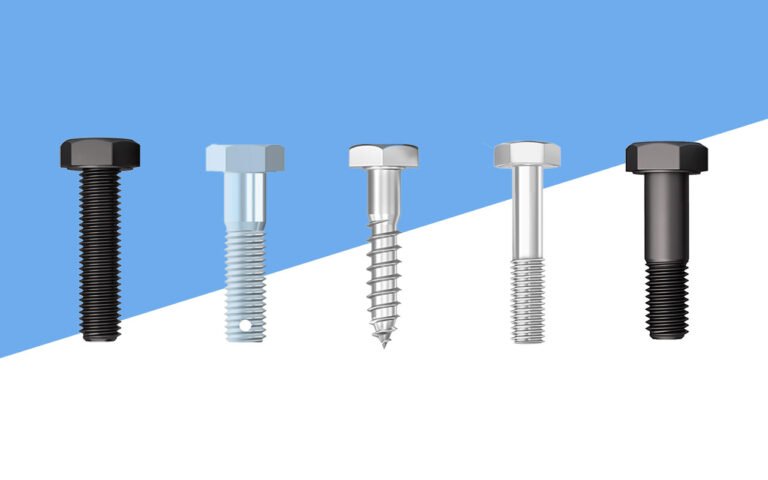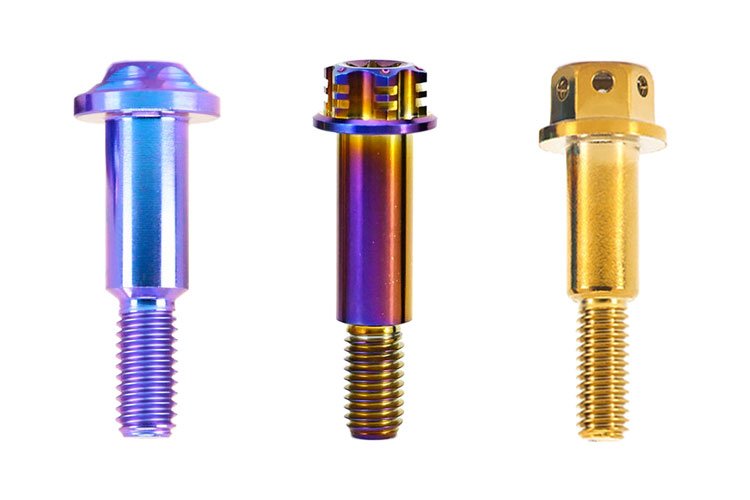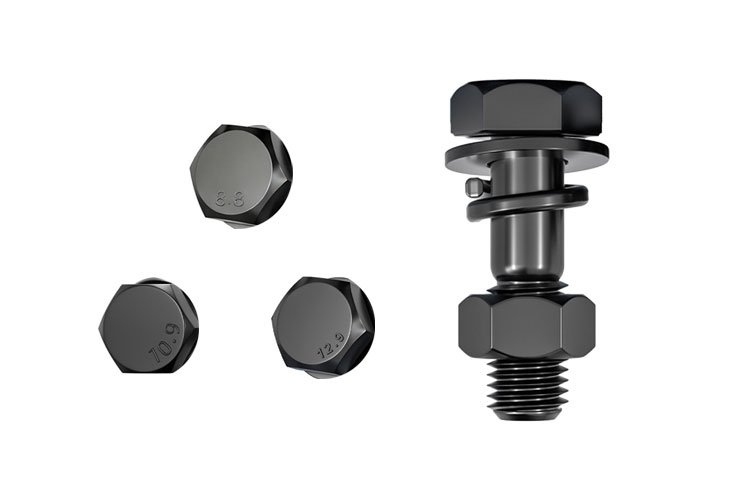
Screws are everywhere in our daily lives. Almost every product depends on this small but essential component—from aircraft and ships to toys and door handles. Naturally, screws are available in a wide variety of types and specifications, each with different performance characteristics and applications. Today, let’s talk about self-drilling screws.
What Is a Self-Drilling Screw?
A self-drilling screw, also known as a drill-point screw, self-drilling self-tapping screw, or TEK screw, does not require a matching nut. It features a drill-shaped or pointed tip at the end. Without the need for pre-drilling or tapping, it can drill, tap, fasten, and secure materials directly using a dedicated power tool, significantly reducing installation time.
Self-drilling screws are mainly used for the fastening of color steel plates in steel structures and are also suitable for the fastening of thin metal plates in light building applications.
Compared with ordinary screws, self-drilling screws offer higher pull-out strength and superior holding power, ensuring long-term fastening without loosening after assembly. They are easy and safe to use, with drilling and tapping completed in a single operation, saving time, labor, and effort. In terms of work efficiency, cost, and reliability, self-drilling self-tapping screws are one of the most economical fastening solutions available.
Features:
- Fast automatic drilling, drilling, tapping and locking in one go.
- High construction efficiency, maximize time saving and improve economic efficiency.
- Strong bonding force, high preload and high stability.
Materials of Self-Drilling Screws
Self-drilling screws are mainly available in four material categories: carbon steel, stainless steel, martensitic stainless steel, and composite materials.
Carbon steel self-drilling screws (such as Grade 4.8 and 8.8) achieve increased hardness through heat treatment. After heat treatment, the surface hardness typically reaches HV 560–750, while the core hardness is about HV 240–450. They offer high hardness and low cost, but the surface is prone to rust and therefore requires appropriate surface treatment.
Stainless steel self-drilling screws (Grades 304 and 316) cannot be heat treated. They provide excellent corrosion resistance but have relatively low hardness and higher cost, and are generally suitable only for drilling softer materials such as aluminum sheets, wood, and plastic boards.
Martensitic stainless steel self-drilling screws (Grade 410) offer corrosion resistance between carbon steel and austenitic stainless steel. They can be heat treated and provide better corrosion resistance than carbon steel, though not as good as stainless steel.
Composite self-drilling screws combine a carbon steel drill point with stainless steel threads, achieving both high drilling efficiency and improved corrosion resistance.
- Carbon steel: 1022A, 435
- Martensitic stainless steel: 410, 420, 550
- Austenitic stainless steel: 304, 316
- Duplex stainless steel: 2205
- Composite: 304/316+410/1022/435
| Material | Drillable sheet | Pros | Cons |
| Carbon steel | Iron plate, aluminum plate | Affordable pricing, high hardness and strength, excellent drilling performance | Poor corrosion resistance, not environmentally friendly |
| 410 | 304/316 stainless steel plate, iron plate, aluminum plate | Lower cost, high hardness and strength, excellent drilling performance (capable of drilling 304/316 stainless steel plates), eco-friendly | Less corrosion resistance than 304 |
| 550 | 304/316 stainless steel plate, iron plate, aluminum plate | High hardness and strength, excellent drilling performance (capable of drilling 304/316 stainless steel plates), corrosion-resistant, eco-friendly | Relatively expensive |
| 304/316 | Aluminum sheet | Corrosion-resistant, tough, and Eco-friendly | Low hardness and strength, cannot drill through iron plates or stainless steel plates, relatively expensive. |
| 304/316+Carbon steel | Iron plate, aluminum plate | High strength, excellent drilling performance, good toughness, corrosion resistance, eco-friendly | The price is too high, and it cannot be used for drilling stainless steel plates. |
| 304/316+Martensitic stainless steel | 304/316 stainless steel plate, iron plate, aluminum plate | High strength, excellent drilling performance (capable of drilling 304/316 stainless steel plates), good toughness, corrosion resistance, eco-friendly | More expensive |
Specifications
- Diameter: 2mm~6mm, 1/4″~3/4″.
- Length: 6mm~500mm, 5/16″~8″ .
- Thread: Metric, coarse, fine, inch.
- Mechanical Properties: Grade: 4.8, 6.8, 8.8, 10.9, 12.9; A2-70, A2-80, A4-70, A4-80
- Surface Finish: Natural color, zinc plated, blackened, nickel plated.
Types of Self-Drilling Screws

Cross-Slotted Pan-Head Self-Drilling Screw
The head has a dome shape with a slightly protruding top when installed and a cross-shaped groove design.
Standard: ISO 15481, DIN 7504N

Cross-Recess Countersunk Self-Drilling Screw
The head is a countersunk (flat) design with cross slots so that the screw head does not protrude from the surface after installation.
Standard: DIN 7504P, JIS B1124, JIS B 1125, ISO 15482
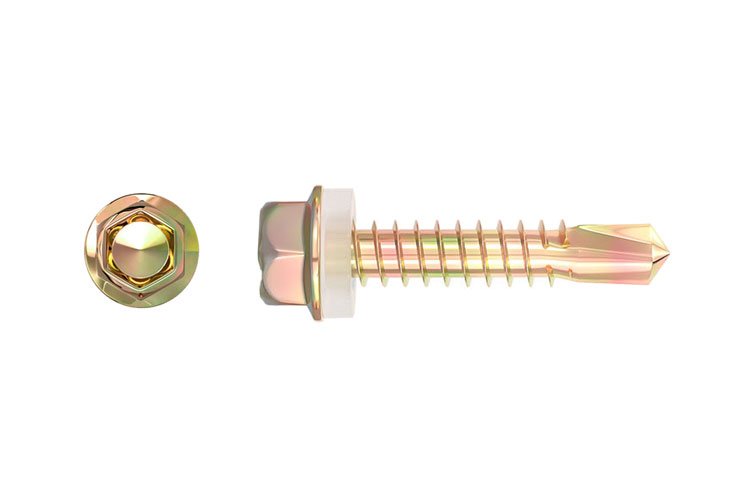
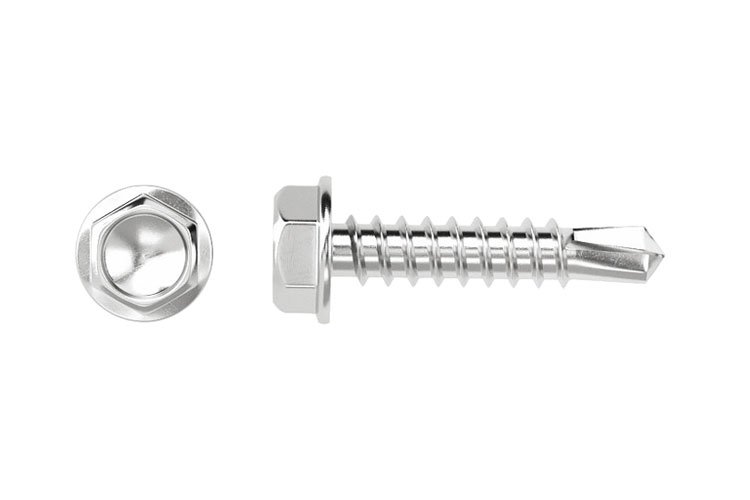
Hex Flange Self-Drilling Screw
The head is hexagonal with a flange (washer), also known as hexagonal large washer drill screws, is the most commonly used and most productive specifications of drill screws. It has good pull-out resistance and anti-slip performance.
Standard: ISO 15480
Hex Head Self-drilling and Tapping Screws with Collar
The head is hexagonal and has a flange (flanged edge), which is smaller in size.
Standard: UNI8117, DIN 7504K
Pros and Cons of Self-Drilling Screws
Benefits
- Save time
Self-drilling screws do not require a pilot hole to cut and tighten. These screws can be drilled, tapped and tightened in one pass. This saves time and eliminates additional drilling and tightening. Using self-drilling screws will simplify your time, resources and stress.
- Corrosion-resistant
Rusted screws are difficult to handle. Rust reduces the strength of metal structural elements, which reduces the thickness of the element.
Self-drilling screws are made from either machined carbon steel (with a corrosion-resistant coating) or stainless steel for added rigidity. Stainless steel does not rust and is therefore corrosion-free and durable.
Disadvantages
- Material and tool matching requirements are high
Stainless steel self-drilling screws need to control the speed of the drill (304 stainless steel ≤ 800rpm, 316 stainless steel ≤ 1200rpm), otherwise it is easy to corrode the threads.
Carbon steel self-drilling screws need to be zinc-plated or oxidized rust treatment, otherwise it is easy to corrode in the humid environment.
- Shear and pull-out resistance needs to be verified
In specific scenarios (e.g. wall panel self-weight or wind suction), the shear and pull-out resistance of dovetail screws needs to be verified through tests. For example, in light steel stud wall connections, the shear resistance of dovetail screws needs to withstand the self-weight of the wall panels, and the pull-out resistance needs to resist wind suction.
- Length needs to be accurate
Misjudgment of the screw length (e.g. not allowing 3-5mm margin) may result in loose ends or exposed threads, affecting the fixing effect.
- More expensive cost
Stainless steel (especially 316 stainless steel) is more expensive than carbon steel, suitable for scenes requiring high corrosion resistance, but projects with limited budgets need to weigh performance and cost.
How Are Self-Tapping Screws Manufactured?
The process begins with the raw material used to produce the screws. The wire rod typically has a diameter of 5–10 mm, and during material selection, the wire diameter must always be larger than the final screw diameter. The wire is then drawn using wire drawing machines to reduce its diameter and remove the oxidized surface layer formed during production and storage.
After wire drawing, the material undergoes annealing to reduce hardness and relieve internal stress, making it easier to process in subsequent manufacturing steps.
During the pickling and phosphating stage, a phosphate coating is applied to the wire. This treatment improves formability and reduces wear on the forming dies.
Next comes wire forming. Cold heading machines, also known as forming machines, are used to cut the wire to the required length and to form the screw head and markings.
Next is drill point forming, which creates the tail shape capable of penetrating steel sheets. This is a critical step that requires strict control of parameters such as concentricity and cutting edge width.
The final step is thread rolling. A thread rolling machine forms the familiar threads on the screw surface, at which point a self-drilling screw is basically formed.
However, the process does not end here. Heat treatment and surface finishing are essential to ensure the quality and performance of the finished screws.
Anti-Corrosion Measures for Stainless Steel Drill-Tailed Wire
Passivation: Passivation is a chemical treatment process that forms a dense oxide film on the surface of stainless steel, thus preventing the intrusion of external corrosive substances. Passivation can effectively improve the corrosion resistance of stainless steel drill wire, especially in acidic or salt spray environments.
Electroplating Treatment: Electroplating can coat the surface of stainless steel with a thin metal layer, such as nickel plating, galvanizing, etc., thus forming a barrier to reduce the occurrence of oxidation and corrosion. Nickel plating not only improves the corrosion resistance of drill wire, but also increases the surface gloss and enhances aesthetics.
Spray Coating: Applying anti-corrosion coatings is an effective surface treatment method that provides stainless steel self-tapping screws with an additional protective layer. Using acid- and alkali-resistant, waterproof, and anti-corrosive coatings can effectively slow down the corrosion process and extend their service life in harsh environments.
Hardening Treatment: Through hardening processes such as surface nitriding and carburizing, the wear resistance and oxidation resistance of stainless steel self-tapping screws can be enhanced. The hardened layer significantly increases the surface hardness of the screws, thereby reducing wear during use and improving durability.
Self-Tapping Screw Usage Instructions
Prepare Tools
Select an appropriate power drill based on material and specifications, with a recommended power range of 350-600W. For example, when using 410-grade drill bits, ensure the drill speed is controlled between 1000-2500 RPM to prevent bit breakage due to overload. Before installation, adjust the drill press positioning device to the precise location and select the matching socket or bit to ensure the drill bit remains perpendicular to the substrate surface.
Operating Steps
- Positioning: Create a center point on the substrate surface using drill pressure to prevent drill bit slippage.
- Drilling: Employ a “slow entry-accelerated advancement” strategy. Begin with slow cutting at 2-5 kgf, gradually increasing to 10-25 kgf while maintaining stable RPM.
- Tapping: After the drill bit penetrates the substrate, closely monitor the drill’s torque. A significant reduction in rotational resistance indicates successful tapping.
- Tightening: Immediately reduce speed after tapping completes. Slowly tighten to the specified torque to prevent thread damage from over-tightening.
Special Processing
When working on hard materials (e.g. HV300 degree steel plates) or extra thick plates (>6mm), it is recommended to pre-drill the holes. For example, when tapping into stainless steel plates, it is necessary to use a 410C drill wire and a lubricant to reduce friction heat.
| Material | Drillable Materials | ST2.9 | ST3.5 | ST3.9 | ST4.2 | ST4.8 | ST5.5 | ST6.3 |
| 304/316 | Aluminum plate | 1.4mm | 2mm | 2.5mm | 3mm | 4mm | 5mm | 6mm |
| Wooden board | No restrictions | No restrictions | No restrictions | No restrictions | No restrictions | No restrictions | No restrictions | |
| 410 | Iron plate, aluminum plate | 1.4mm | 2mm | 2.5mm | 3mm | 4mm | 5mm | 6mm |
| Stainless steel plate | Customized | Customized | Customized | Customized | Customized | Customized | Customized |
Drilling Screw Fails to Drill In
- Material Hardness Too High
Self-drilling screws can only be effective when the material hardness is much greater than that of sheet metal; when the material hardness is too high, it is necessary to match the drill screw with a higher hardness or to customize surface treatments such as waxing or zinc-aluminum coating to increase the lubricity of the drill screw.
- Plate Thickness
The total thickness of the plate exceeds the design range of the self-drilling screws and does not allow for effective chip removal.
- Too Low a Level of Force
Too little force will prevent smooth entry into the drill hole. A force level of about 15kg-35kg is recommended.
- Insufficient Speed
Inadequate or insufficient rotation will result in a poor entry into the drill. 1800-2200 rpm is recommended.
- Improper Drilling Angle
If the angle of the screw is skewed, it will be difficult for the drill screw to cut effectively, and the angle of the screw should be adjusted so that it is perpendicular to the drilled hole.
- Quality Issues
These may be caused by defective screws or improper heat treatment.
Uses of Self-Drilling Screws
Self-drilling screws have a sharp drill bit for direct drilling and forming of mating threads. Self-drilling screws are widely used in railroads, infrastructure, window curtain walls, photovoltaics, structural steel, and high-rise buildings.
Steel Structure Connections: Hex self-drilling screws (M6×30 specification) are suitable for vibration-resistant connections between color-coated steel sheets and frames, offering a 30% increase in torque transmission capacity compared to Phillips-head pan-head self-drilling screws.
Sheet Metal Fastening: Countersunk self-drilling screws with cross-recessed heads can be embedded flush with the material surface, meeting the flatness requirements for decorative steel structures in interior applications.
Composite materials: SUS316 material self-drilling screws dedicated to plastic steel, magnesium and titanium alloys and other special materials, need to be coupled with a low rotational speed (1500-2000 rpm) in order to prevent material cracking.
- Curtain wall industry: Commonly uses ST4.2 / ST4.8 pan head or countersunk head self-drilling screws, and ST5.5 hex flange self-drilling screws.
- Steel structure industry: Commonly uses ST5.5 / ST6.3 hex flange self-drilling screws.
- Door and window industry: Commonly uses ST4.2 / ST4.8 pan head or countersunk head self-drilling screws.
- Photovoltaic industry: Commonly uses ST6.3 hex flange self-drilling screws.
- Guardrail industry: Commonly uses ST5.5 wafer head self-drilling screws.
Self-Tapping Screws: FAQ
Will 410 self-drilling screws rust in coastal environments?
410 is a martensitic stainless steel with poor corrosion resistance and requires passivation or other surface treatment to achieve good corrosion resistance.
Self-drilling screws can not drill into the plate?
- Choose the wrong screw material, such as take 304/316 screw tapping drilling iron plate, stainless steel plate.
- The plate is too thick, more than the screw drilling range.
Self-drilling screw breakage?
- Incorrect drill selection (use a 350–500 W electric drill and do not use impact mode).
- Improper installation angle (the screw must be perpendicular to the profiled steel surface; apply pressure to create a center point, with a speed of 1,000–1,500 rpm).
- Failure to reduce speed when the drill reaches the bottom.
- Improper drill point size selection.
- Screw quality issues.
What are the common specifications for hex self-drilling screws?
Common specifications for hex self-drilling screws include ST2.9×6, ST2.9×20, ST3.5×12, ST3.5×18, ST3.5×40, ST3.9×30, ST3.9×22, ST4.2×75, ST4.2×60, ST4.8×13, ST4.8×25, ST5.5×40, ST5.5×55, ST6.3×30, ST6.3×45, ST6.3×70, and other specifications. For example, ST5.5×40 denotes a hex self-drilling screw with a diameter of 5.5 millimeters and a length of 40 millimeters.
Precautions for Using Self-Drilling Screws in Steel Structures
When applying steel drilling screws, we need to pay attention to the following points:
- Matching: When using, the appropriate type of self-drilling screws should be selected according to the thickness and strength grade of the steel.
- Tightening method: The correct tightening method should be adopted to avoid damage to the screws caused by over-tightening.
- Regular inspection and maintenance: In the process of use, the tightening of the screws should be checked regularly and whether there is any corrosion phenomenon, and should be dealt with in time if it needs to be replaced.
- Use environment: steel structure self-drilling screws are suitable for dry, low-corrosion environment, if you need to use in harsh environment, you should take appropriate protective measures.
Can Self-Drilling Screws Be Reused?
Screw Material
- Carbon steel screws: lower hardness, usually reusable 2-3 times, suitable for thinner steel plates (e.g. 1-2mm).
- Alloy steel or stainless steel self-drilling screws (e.g. S2 tool steel with chrome vanadium steel): higher hardness, can be reused 4-6 times, suitable for thicker steel plates (e.g. 3-6mm).
- Titanium plated or nitrided screws are more resistant to abrasion and have a longer service life.
Steel Plate Hardness
- Mild steel sheets (Q235): The drill point wears relatively slowly and can typically be reused more than five times.
- High-hardness steel sheets (such as 45# steel or stainless steel): The drill point wears quickly and usually needs to be replaced after 2–3 uses.
Operation Method
- Excessive speed (e.g., >2,000 RPM): Accelerates drill point wear; a speed range of 800–1,500 RPM is recommended.
- Applying force vertically: Reduces uneven wear and extends drill point life.
- Pre-drilling (for extra-thick steel plates): Reduces load on the drill point and increases the number of possible reuses.
Others
- Standard extended self-drilling screws: Typically reusable 3–5 times, depending on the hardness of the steel plate.
- High-end hardened screws (such as titanium-coated or alloy steel): Can be reused 5–8 times, or even more.
- For frequent use: It is recommended to prepare multiple screws for rotation, or choose self-drilling screw systems with replaceable drill points.
Summary
Self-drilling screws, with their convenient advantages of “self-drilling, self-tapping, and self-locking,” have become an indispensable high-efficiency fastening solution in modern industrial assembly. When selecting them, key considerations include:
- Sheet material and thickness – Determine the required material and drill point type.
- Corrosion resistance requirements – Select stainless steel or carbon steel with surface treatment.
- Strength and efficiency – Focus on specifications (ST grade, flange dimensions) and actual product performance (e.g., drilling speed).
- Special applications – Custom screws (composite materials, extra-thick plates, special head types/coatings).