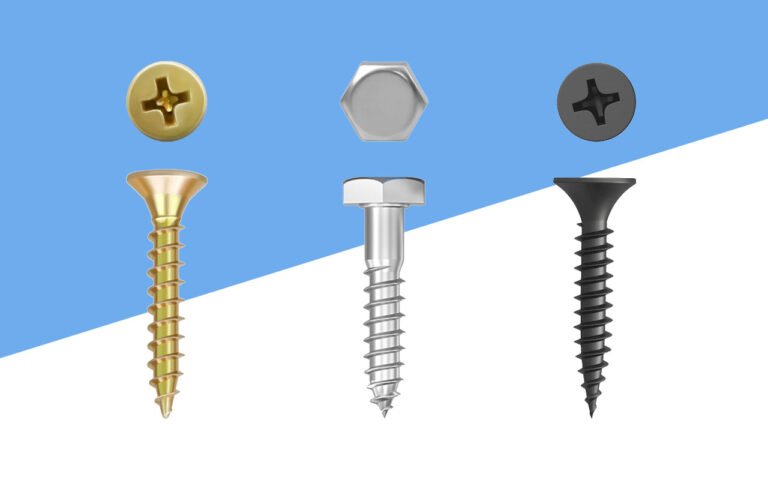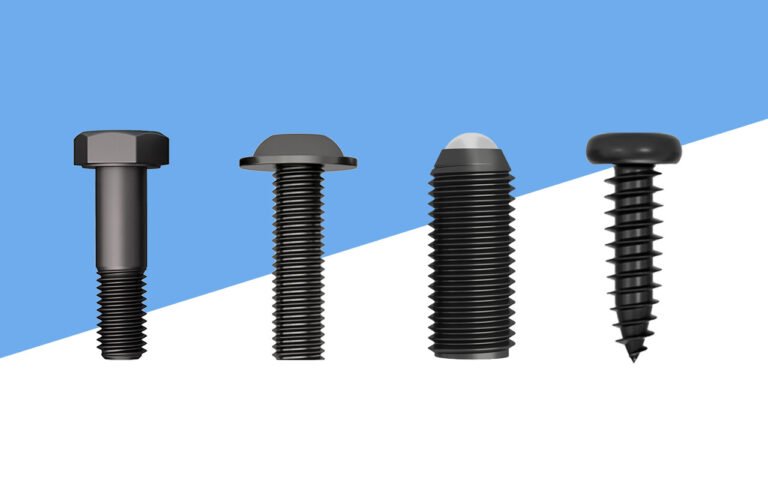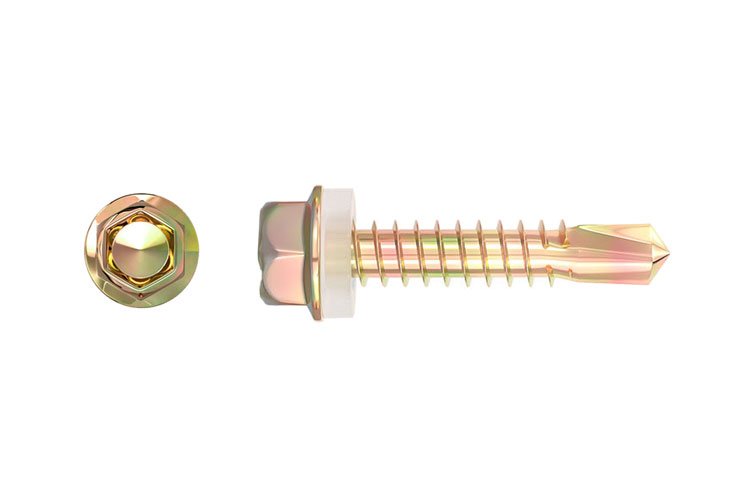
Countersunk screws, sometimes called flathead screws, have a conical head (82°, 90°, 100°, 110°, 120°, 130°, etc.). The drive slots can be slotted, Phillips head, hexagonal, Torx, triangular, square, etc. After installation, they can completely embed into the countersunk hole of the connected component, keeping the structural surface flat and avoiding interference, scratches, safety hazards, and aesthetic problems caused by protruding screw heads. Next, let’s explore its types, characteristics, standards, and uses in detail.
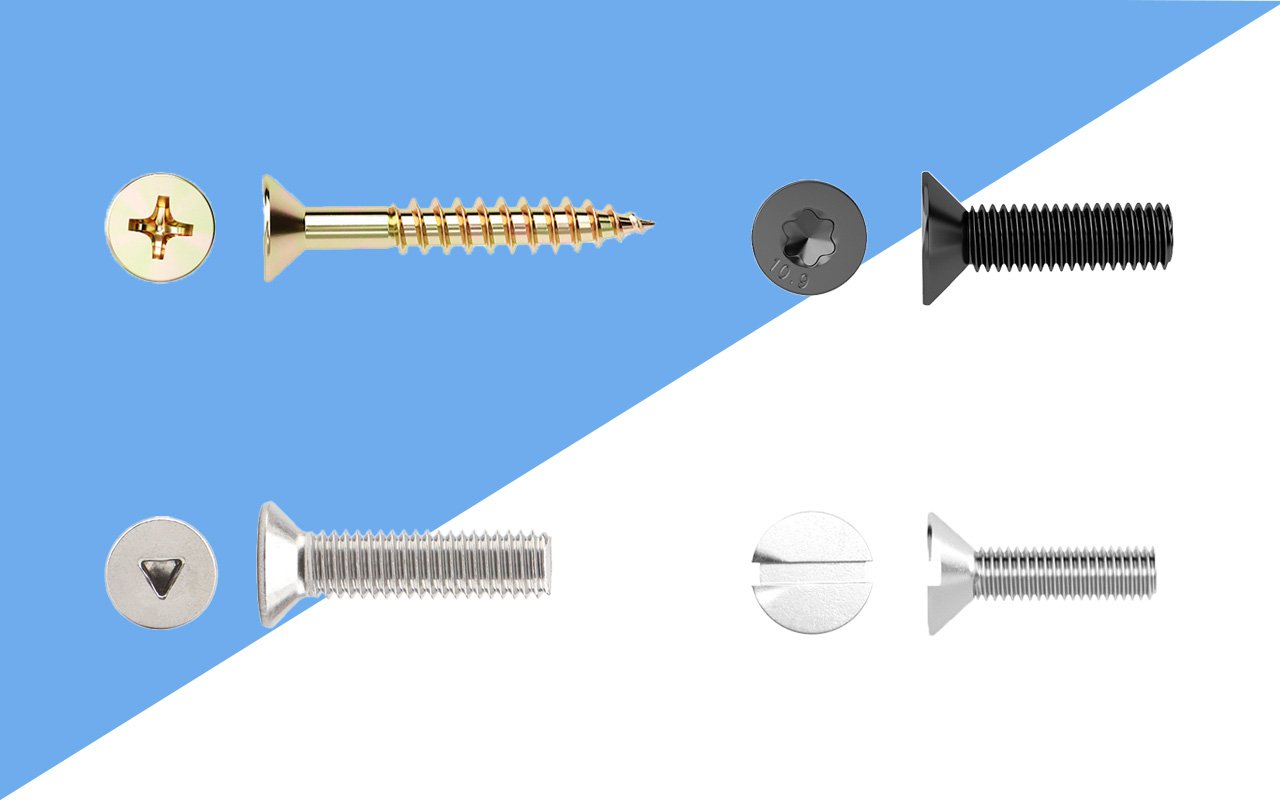
Types of Countersunk Head Screws
By Drive


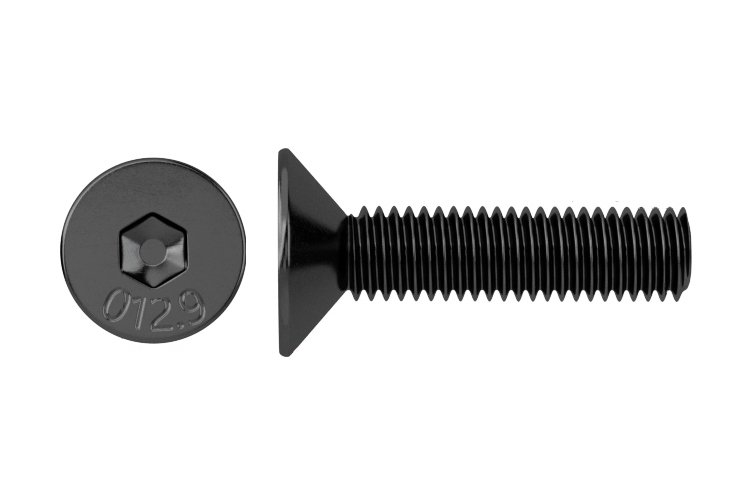

Countersunk Square Slot Screw
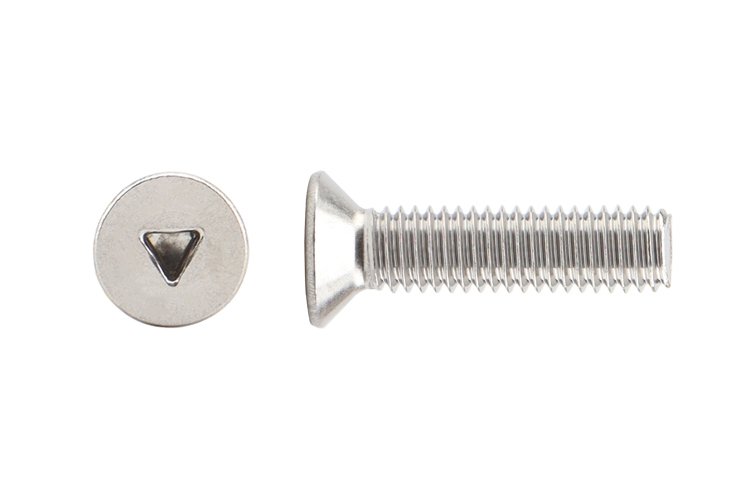
Countersunk Triangular Slotted Screw

Torx Countersunk Screw
By Thread

Countersunk Head Screw with Self-Drilling Thread
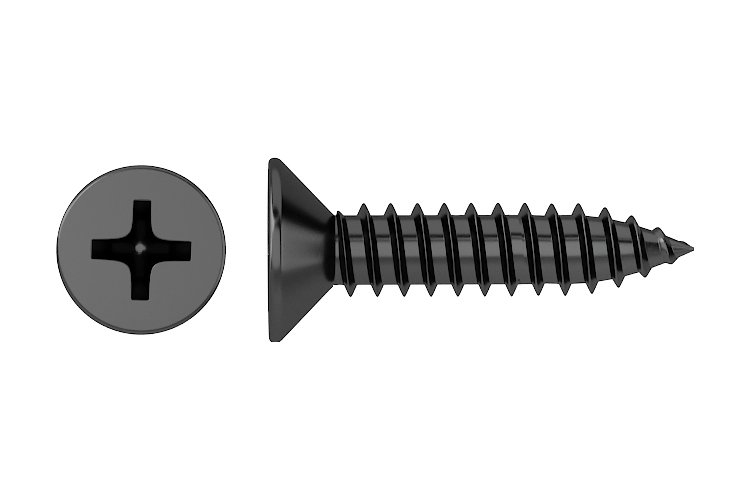
Countersunk Head Screw with Self-Tapping Thread

Countersunk Wood Screw
Characteristics of Countersunk Head Screws
- Flush mounting
- Aesthetics
- Economical
- Easy to install
- Space-saving
- Safe and non-scratch
- Non-interfering construction
- Good fastening
- Low maintenance costs
- Easy to disassemble
- Widely used
Standards for Countersunk Head Screws
International standard for countersunk head machine screws:
| Hexagon socket head cap screws | Countersunk cross recessed screws | Countersunk head slot machine screws | Countersunk head machine screws |
|---|---|---|---|
| DIN 7997 ISO 10642 JISB1194 | DIN 965 ISO 7046 | DIN 963 DIN 964 ISO 2009 JIS B1101F | ISO 14581 |
Standard for countersunk head tapping screws:
| Phillips tapping screws | Flat slot self-tapping screws | Hexagon socket countersunk head tapping screws | Particleboard screws | Phillips self-drilling screws |
|---|---|---|---|---|
| ISO 7050 JIS B1122F | DIN 7962 ISO 1482 | ISO 14586 | DIN 7505 | DIN 7504P |
Countersunk Head Screws Specifications

Size:M2、M3、M4、M5、M6、M8、M10、M12、M14、M16、M20、M22、M24、M30
Length:5mm to 100mm
For customized sizes and materials, please contact us online.
Material of Countersunk Head Screws
- Carbon Steel
- Stainless Steel
- Alloy Steel
- Copper alloy
Countersunk Head Screws Surface Treatment
Surface treatments for countersunk head screws include: galvanized, nickel-plated, blackened, Dacromet, chrome-plated, phosphated, and glued.
Installation and Removal of Countersunk Head Screws
- Positioning and marking: Clearly mark the screw installation position on the workpiece.
- Drilling and countersinking: Through-hole or pre-drilled holes are made for the screw diameter using the appropriate drill bit; the holes are then reamed using a countersink drill with the same angle as the head of the screw (usually 82°, 90° or 100°).
- Screwing: Screws are screwed using a Phillips screwdriver, hexagonal, triangular, single or plum head, depending on the drive slot.
- Removal: Select the screwdriver or bit that corresponds to the slot type and screw out in a counterclockwise direction. Rusty screws should be soaked in lubricant for a few minutes. If the screw is broken or the slot is damaged, a screw remover will be required to remove it.
Uses of Countersunk Screws
- Furniture panel connections (e.g. closets, desks)
- Door and window hardware, aluminum profile fixing
- Mechanical equipment shroud, enclosure mounting
- Electronic product shell
- Automobile interior, instrument panel
- Shipbuilding, rail transportation
- Building decoration, metal plate fixing
- Aerospace structural components (100° countersunk head screws)
Countersunk Screws: FAQ
Q1:What is the difference between a countersunk head screw and a pan head screw?

- Countersunk head screws with head hidden;
- Pan head screws with exposed head
Pan head screws have the advantage of a large bearing surface, but are not suitable for structures with high flatness requirements.
Q2:How are countersunk holes machined?
A countersink bit is required and ensure that the angle is the same as the screw angle.
Q3:Are countersunk head screws suitable for thin plates?
Used for thin plates, but note that the thickness of the plate must be sufficient to accommodate the depth of the countersink.
Summarize
Understanding countersunk screw types, materials, manufacturing processes, and standards allows for more precise selection of countersunk fasteners suitable for different projects. For more information, please contact us online. We offer fasteners in both British and American units, including bolts, screws, nuts, washers, retaining rings, pins, threaded rods, etc.; we also offer custom-made special fasteners.