U-bolts are extremely common in various industrial fields. Although they seem simple, they are directly related to the safety and reliability of systems such as piping systems, mechanical equipment supports, vehicle chassis structures, building steel structures, and electrical wiring.
Many engineering accidents (such as pipeline deformation, vibration loosening, and support breakage) are closely related to improper selection of U-bolts, non-standard installation, and lack of maintenance.
This article will provide a comprehensive analysis covering the entire process from concept → structure → material → installation → application → selection → common errors, helping technical personnel and procurement staff systematically understand:
✔ What is a U-bolt?
✔ How to use it correctly?
✔ How to avoid failure?
✔ How to choose the right model and material for your project?


What Is a U-Bolt?
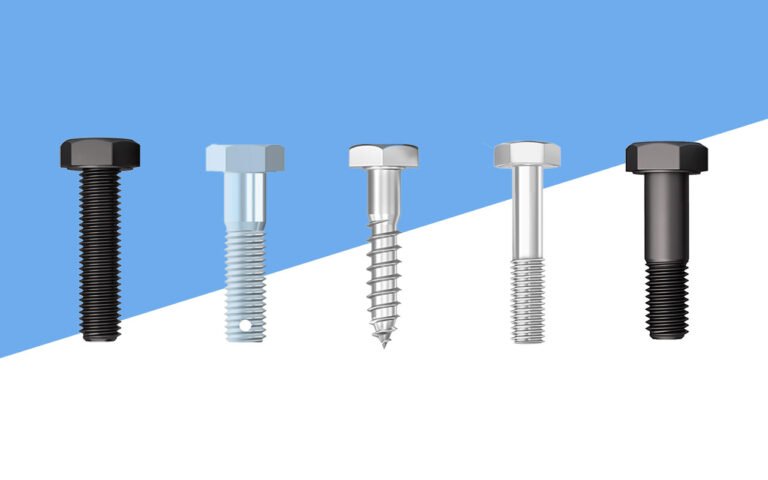
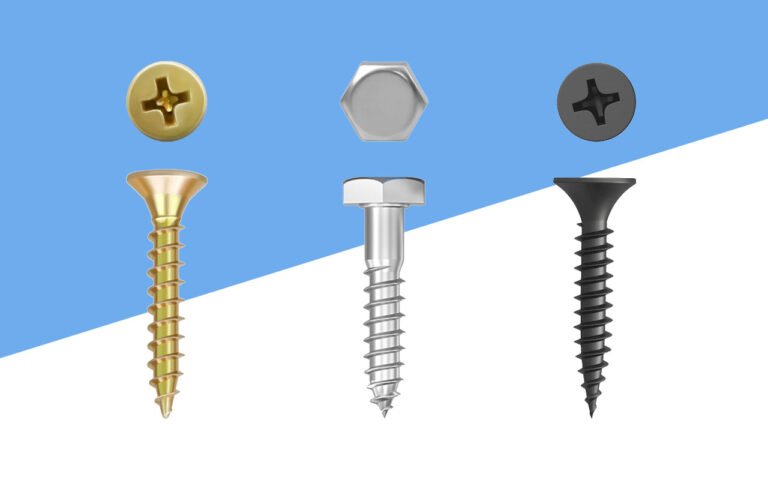
The U-bolt, also known as a U-shaped bolt, U-bolt clamp, or horse saddle bolt, is a type of fastener shaped like the letter “U,” typically made of metal. The two ends of the U-bolt are threaded and can be paired with nuts and washers to securely fix round or near-round objects (such as pipes, round steel, rods, etc.) to brackets, steel plates, or structural components. Due to the way it secures the object, resembling someone riding a horse, it is also referred to as a horse saddle bolt.

Round U Bolt

Square U Bolt

Double U Bolt

V Bolt Clamp
Visually, U-bolts primarily come in semi-circular, right-angled, triangular, and oblique triangular shapes. Their properties—including density, bending strength, impact toughness, compressive strength, elastic modulus, tensile strength, heat resistance, and color—are significantly influenced by the application environment.

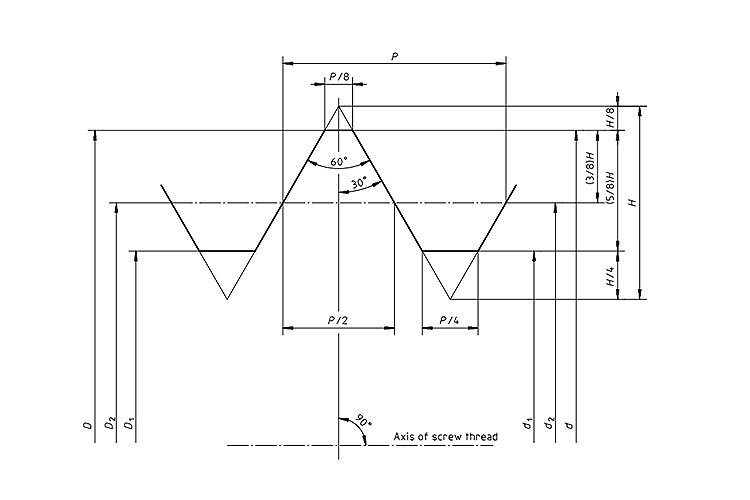
Threads form part of the outer or inner surface of U-bolts, exhibiting a uniform helical protrusion pattern. Based on their structural characteristics and applications, they can be categorized into three types: standard threads, drive threads, and sealing threads.
Standard threads feature a triangular profile, used for connecting or securing components. Based on pitch differences, standard threads are categorized into two types: coarse-pitch threads and fine-pitch threads. Fine-pitch threads offer higher connection strength. Drive threads feature various tooth profiles including rectangular, trapezoidal, serrated, and triangular. Sealing threads are used for sealing connections and primarily include three types: pipe threads, tapered threads, and tapered pipe threads.
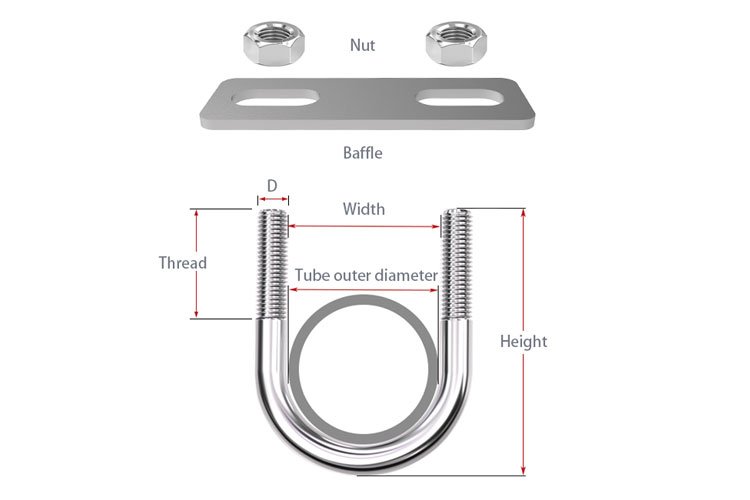
Schematic Diagram of U-bolt Structure
- Baffle:Load-bearing capacity
- Leg:Connects
- Nut + Washer:Locking structure
Common Types of Pipes
Generally, the diameter of a pipe is classified into outer diameter (De), inner diameter (D), and nominal diameter (DN). DN refers to the nominal diameter of the pipe.
By measuring the inner diameter value of the U-bolt, you can find the corresponding outer diameter of the pipe, and by referring to the table below, you can determine the nominal diameter.

| Inch | Nominal diameter | Pipe outer diameter(mm) |
| 1/2 | DN 15 | 18 |
| 3/4 | DN 20 | 25 |
| 1″ | DN 25 | 32 |
| 1-1/4″ | DN 32 | 38 |
| 1-1/2″ | DN 40 | 45 |
| 2″ | DN 50 | 57 |
| 2.5″ | DN 65 | 76 |
| 3″ | DN 80 | 89 |
| 4″ | DN 100 | 108 |
| 5″ | DN 125 | 133 |
| 6″ | DN 150 | 159 |
| 8″ | DN 200 | 219 |
Common Materials
| Materials | Features | Uses |
|---|---|---|
| Carbon Steel | High strength, low price | Mechanical equipment and structural installation |
| Hot-Dip Galvanized Carbon Steel | Moderate corrosion resistance | Outdoor, general industrial |
| 304 Stainless Steel | Good corrosion resistance | Food, machinery, electrical, salt spray |
| 316 Stainless Steel | Excellent corrosion resistance | Marine, chemical, and acidic/alkaline environments |
| Alloy Steel | Ultra-high strength | High-vibration, heavy-duty equipment |
How to Use U-Bolts


The use of U-bolts is straightforward. Before installation, workers must drill holes in the wall, insert the U-bolts into these holes, and tighten them. This action compresses and stretches the ring pipe, causing the bolts to lock into the holes and secure the pipe in place. If the project requires pouring concrete, workers must pre-reserve holes of appropriate dimensions.
Function of U-bolts:
- Limit Pipe Displacement
- Limit Pipe Rotation
- Limit Pipe Vibration
How to Properly Install U-Bolts?
- Position the U-bolt so it straddles the pipe, cylinder, or component being secured. Pass both ends of the bolt through the pre-drilled holes in the support plate, bracket, or mounting structure.
- Install the washers and nuts. Hand-tighten the nuts first—especially the nut on the side closest to the support plate—before tightening the other side.
- Tighten both nuts evenly and symmetrically to ensure balanced force distribution. Avoid over-tightening one side, which could cause U-bolt deformation or pipe distortion under pressure.
- For critical anchor points or load-bearing structures, use a torque wrench to tighten to the recommended torque value. This ensures connection strength while preventing excessive tightening.
Applications of U-Bolts
U-bolts are primarily used for connecting and installing mechanical components in fields such as construction, automotive, marine, bridges, tunnels, and railways.
- Pipe and Pipe Rack Fixing: Water pipes, gas pipes, cable trays, conduit pipes, etc. — Use galvanized or stainless steel U-bolts.
- Mechanical/Equipment Mounting Supports: Fans, pumps, chemical equipment bases, etc. — Use matching washers and nuts, installing according to torque specifications.
- Vehicle Chassis and Leaf Spring Fixing: Such as truck springs, chassis mounting components — Select U-bolts with high strength grade, vibration resistance, and anti-loosening properties.
- Outdoor/Marine/Chemical Structures: Railings, brackets, ship hull piping, solar panel mounts, etc. — Prefer stainless steel (316) or hot-dip galvanized treatment + regular inspection for anti-loosening/corrosion.
Important Notes
Avoid dissimilar metal contact — Stainless steel U-bolts paired with aluminum or carbon steel components may cause galvanic corrosion. Direct contact between dissimilar metals should be avoided, or U-bolts with insulating layers/liners should be used.
In environments with vibration/shaking — Consider adding rubber/plastic spacers between the pipe and U-bolts to absorb vibrations, reduce metal wear, and prevent pipe movement or damage.
Regular Inspection and Maintenance — Especially in outdoor, marine, chemical, or high-vibration environments, regularly inspect nuts for looseness, corrosion, or thread damage. Retighten or replace as necessary.
Potential Issues and Recommendations
| Problems | Reason | Suggestion |
|---|---|---|
| Pipeline deformation and rupture under pressure | U-bolt is too tight, inner diameter is too small | Allow for appropriate clearance (1–2 mm) during selection to avoid excessive tightening. |
| Threads seizing up, nut stripped | Thread mismatch, excessive tightening, excessive torque | Use matching nuts/washers + torque wrench to tighten to standard torque. |
| Corrosion/Electrochemical Reaction | Stainless steel in direct contact with other metals | Use the same material whenever possible, or add insulating shims. |
| Loosening, vibration failure | Vibration environment + No rubber pads or anti-loosening measures | Use rubber gaskets, conduct regular inspections, and install anti-loosening devices when necessary. |
| Insufficient load-bearing capacity | Incorrect selection of U-bolt material/specifications | Confirm load requirements and select appropriate materials and diameters. |
Common Installation Errors
| Wrongdoing | Consequence | Correct |
|---|---|---|
| Small inner diameter | Damaged the pipe | Inner diameter > Pipe diameter 1–3 mm |
| Tighten one side first | Eccentric force causes deformation | Tighten the nuts alternately on both sides. |
| No washer | Bracket wear, nuts loose | Flat washers must be installed. |
| No anti-loosening device | Vibration loosening | Spring Washer / Nylon Lock Nut |
| Stainless steel in contact with carbon steel | Electrochemical corrosion | Insulating pad / same material |
| Judging by appearance alone, ignoring load-bearing capacity | Structural failure | Check strength grade and load |
How to Properly Select U-Bolts?
During the design/selection phase, the shape of the object to be fixed (round tube, square tube, rectangular tube, etc.), diameter or cross-section, load, and environmental conditions (indoor/outdoor/marine/chemical) should be taken into account to select the appropriate specifications and materials of U-bolts.
When purchasing U-bolts, make sure that the matching nuts and washers are included, and know the torque, allowable load, material corrosion grade and other parameters.
Installation site should strictly follow the above steps – evenly and symmetrically tightened to avoid over-tightening, to ensure that the threads are properly engaged; vibration or outdoor environments should be added gaskets or anti-loosening measures, and set the regular inspection.
Common Problems in Manufacturing U-Bolts
U-bolt high and low feet: top material is not in place, bending mold is not centered, the material is too hard to bend.
U-bolt height: the design size is too high or too low for assembly use.

Thread length:
Thread length should not be too long over the radius, it is recommended to be at least 7mm above the radius. e.g. LT (thread length) ≦ total height – thread diameter – (radius + 7); LT ≦ 80-10-(30+7)=33.
Customized products: the opening width is too big or too small, the reason is that the gap between the upper and lower molds is too big or too small, the influence of material stress, the deformation of the transportation process collision.
How to Make U-Bolts Safer to Use and Longer-Lasting?
✔ Correct selection
✔ Tighten evenly, avoid partial load
✔ Select material according to environment
✔ High vibration + anti-loosening device
✔ Regular maintenance
✔ Avoid metal-to-metal corrosion
✔ Don’t over-tighten
U-bolts are a key component of engineering safety that cannot be ignored. Mastering the correct use method can make the structure more stable, longer life and simpler maintenance.