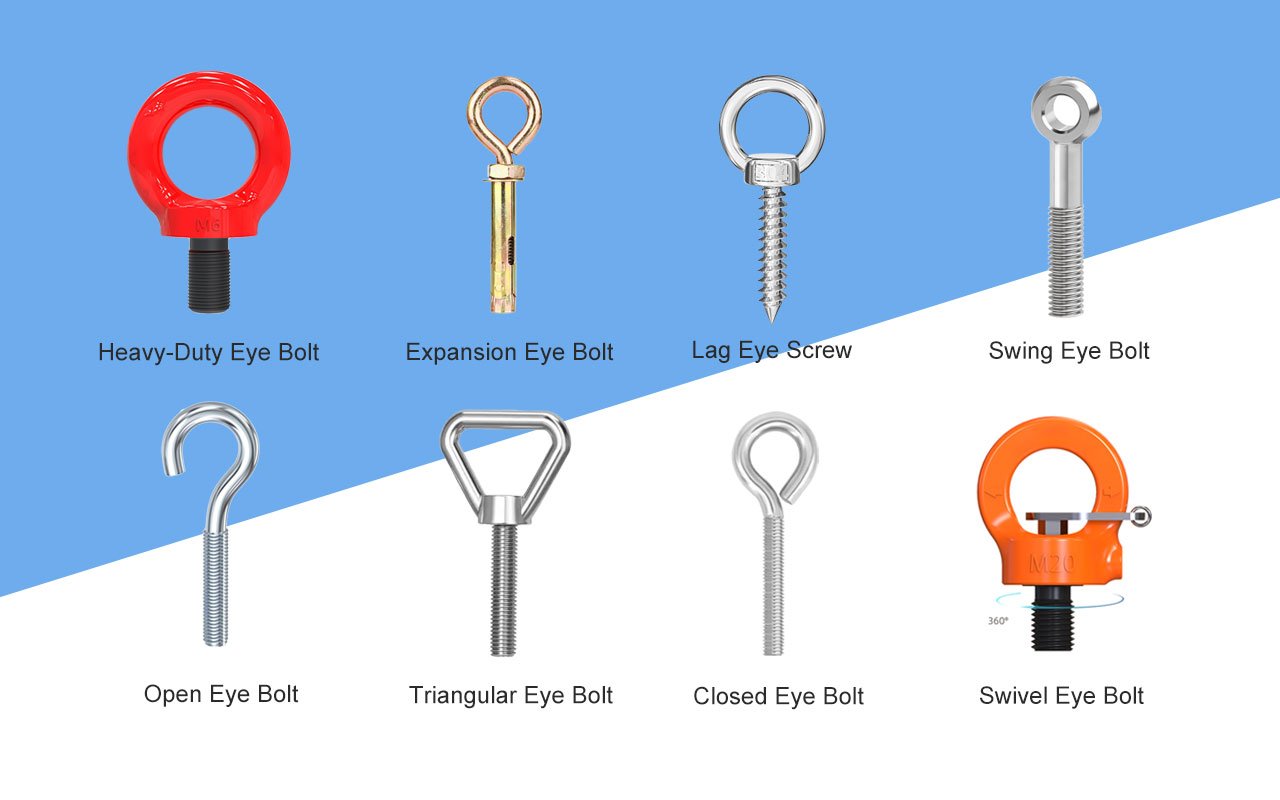
What Is an Eye Bolt?
An eye bolt is a fastener with a threaded rod and a ring-shaped head that is commonly used to secure ropes, cables, chains, or other fittings used to lift, suspend, or secure loads.
Compared to standard bolts, the design focus of eye bolts lies in:
- Withstands axial or angular tensile forces
- Provides a secure, reusable lifting connection point
- Directly participates in the load-bearing system after installation
Schematic Diagram of an Eye bolt
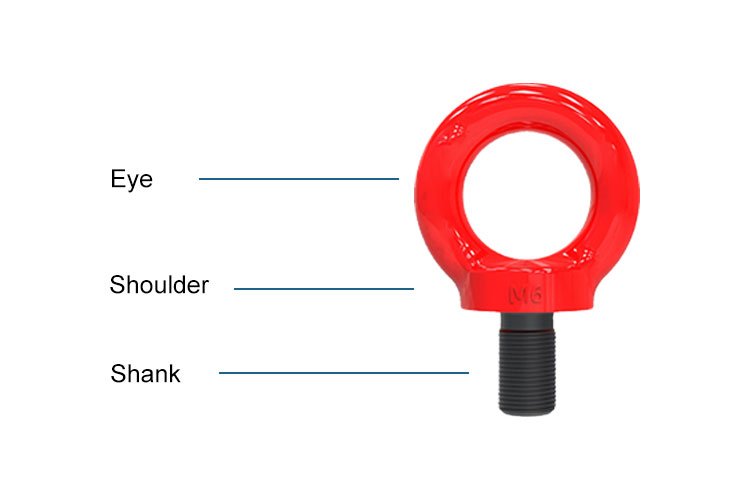
- Eye: Circular or oval structures used for fixed connection points.
- Shoulder: Located between the eye and the shank, distributing lateral loads.
- Shank: Fully threaded or partially threaded.
Materials
- Carbon steel (Grade 4.8-8.8): High strength, low cost.
- Alloy steel (Grade 10.9-12.9): Used for high-load lifting, heat-treated to enhance strength.
- Stainless steel (304/316): Excellent corrosion resistance.
- Brass: Corrosion-resistant and aesthetically pleasing.
Surface Treatment
- Electro-galvanized (yellow zinc): low cost, salt spray resistance 96 hours
- Hot-dip galvanizing: high weather resistance, salt spray over 500 hours
- Dacromet: no risk of hydrogen embrittlement
Standards and Specifications
- ASTM A193 Grade B7: Designed for heavy-duty threaded fasteners, commonly used in material handling or demanding environments. Eye bolts manufactured to this standard are certified to perform reliably in harsh conditions.
- ASTM A193 Grade B8: Similar to Grade B7, but suitable for applications requiring corrosion resistance, such as outdoor environments or areas near water.
- DIN 580:Metric Eye Bolts
- DIN 444:Metric Swing Eye Bolts
Angle and Load
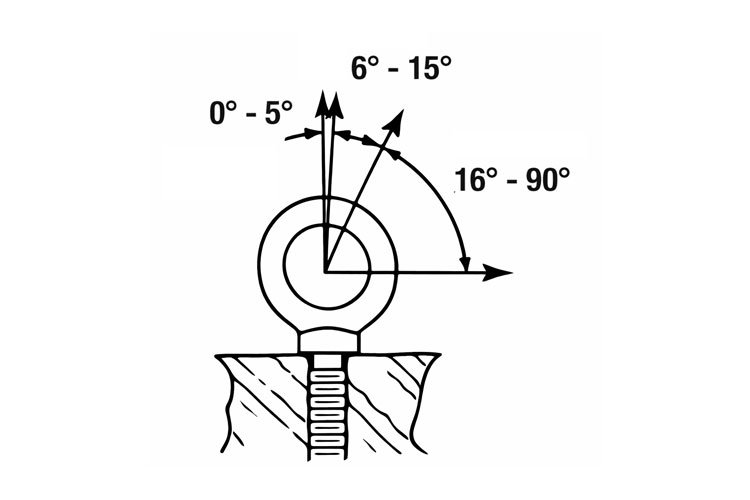
Based on ASME B30.26
- 0°-5° Vertical Angle = 100% of Rated Load
- 6°-15° Vertical Angle = 55% of Rated Load
- 16°-90° Vertical Angle = 25% of Rated Load
Common Types of Eye Bolts
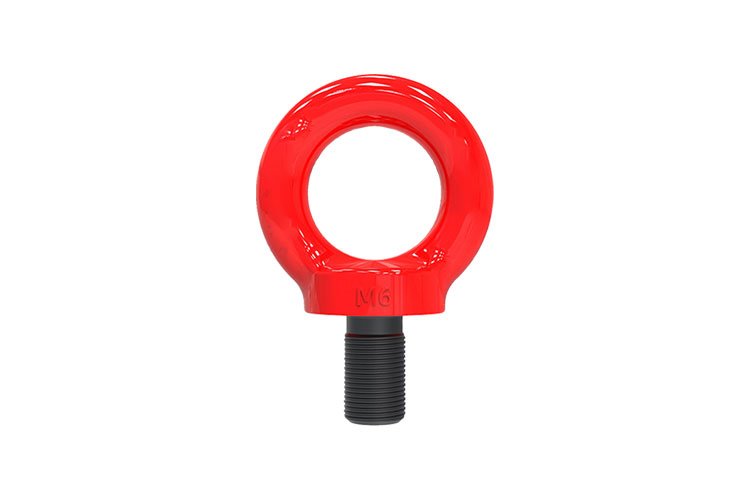
Machinery Shoulder Eye Bolt
The eye features a thickened shoulder beneath it, capable of withstanding lateral pulling forces at certain angles (typically ≤45°). The shoulder ensures more even load distribution across the eye, preventing stress concentration on the threads. Suitable for lifting heavy or tilted loads.
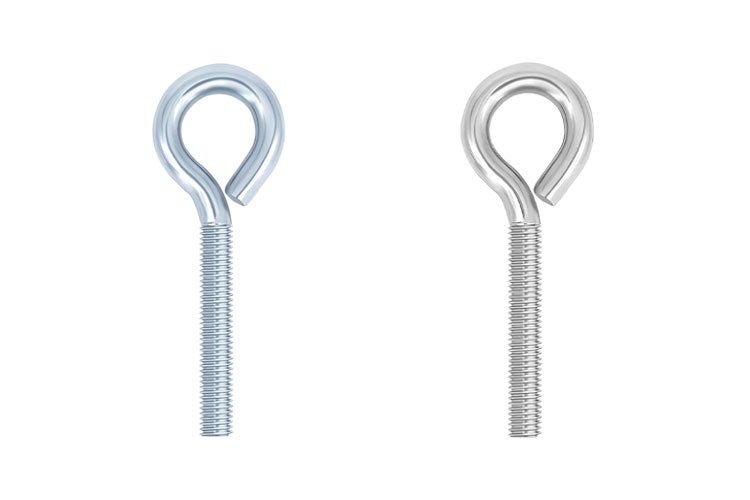
Non-Shoulder Bent Eye Bolt
No reinforced shoulders; designed for vertical tension only. Not suitable for angled loads. Misuse may cause deformation or breakage. Suitable for most light-duty applications.
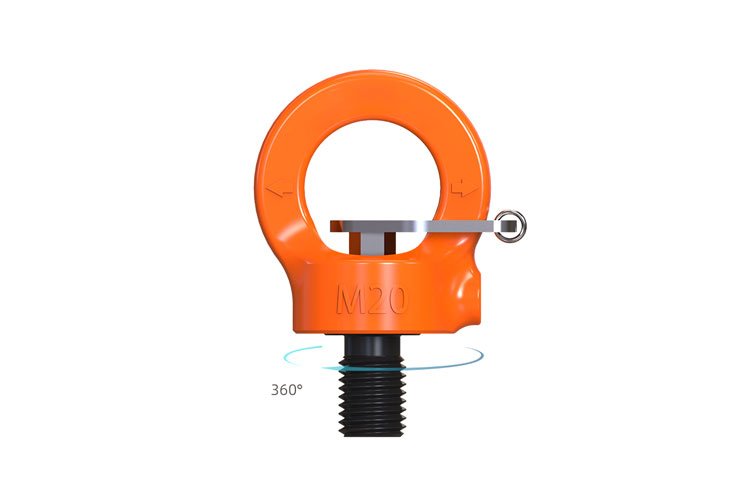
Swivel Eye Bolt
The eye can rotate 360 degrees, automatically aligning with the direction of force. This effectively prevents uneven loading and is suitable for complex, multi-angle lifting operations.
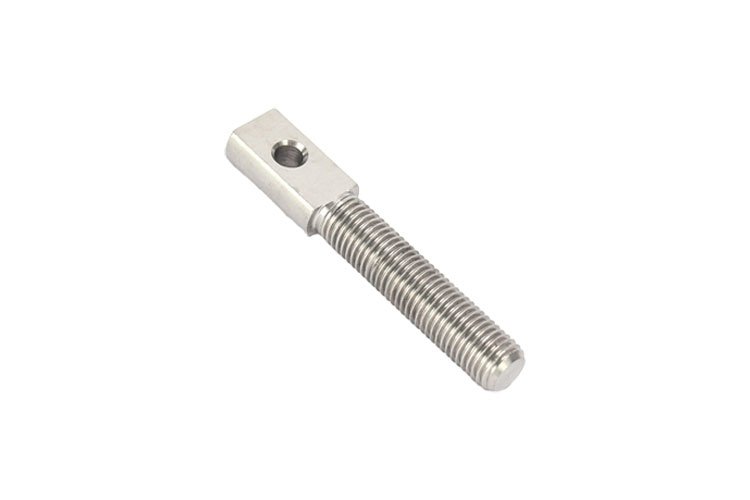
Flat Head Eye Bolt
The head features a flat, disc-shaped structure with a through-hole at the center or on one side of the flat head. The screw rod is integrally formed with the head.
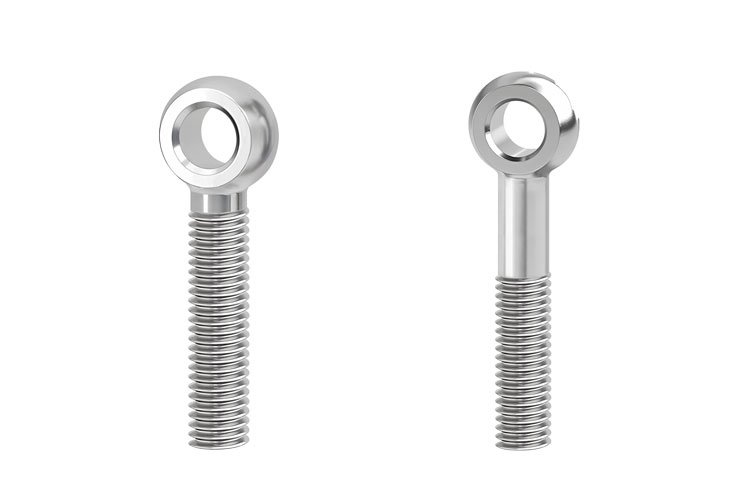
Swing Eye Bolt
The eye is connected to a pivot point, allowing it to swing or rotate freely within a certain range. The structure is similar to a hinged connection.
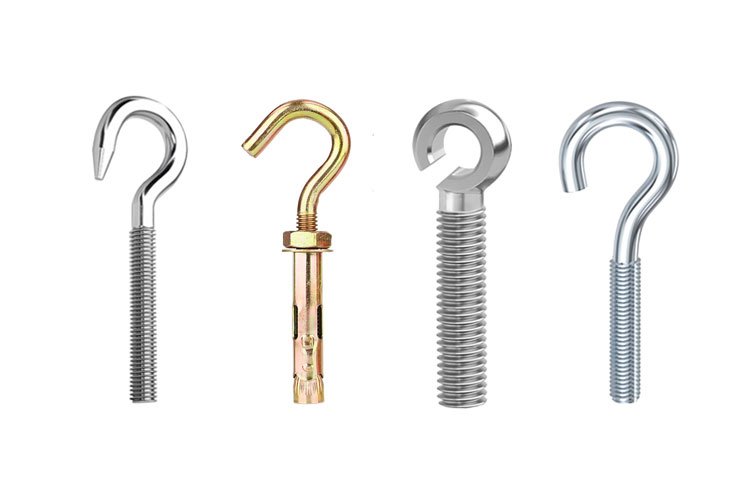
Open Hook Eye Bolt
The eye is an open hook structure that allows for quick hooking in or out of the connection.
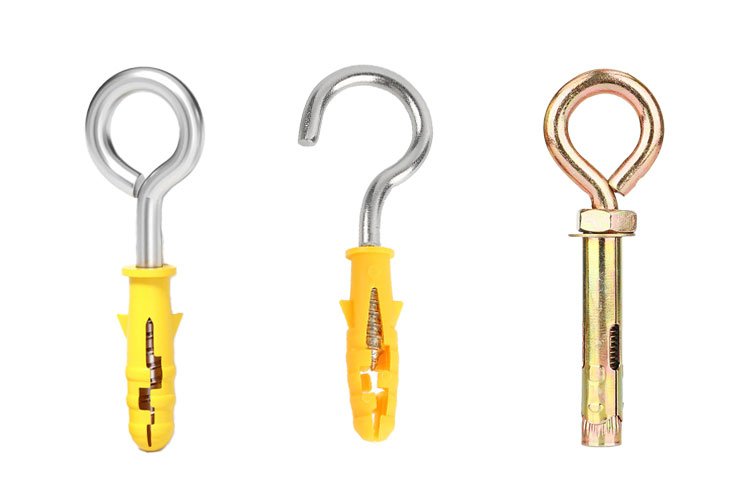
Expansion Eye Bolt
The head is ring-shaped and the expansion sleeve is metal or plastic.
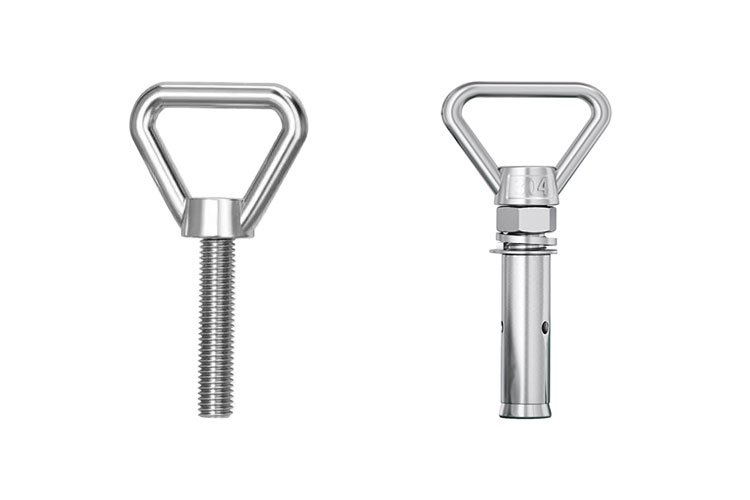
Triangular Eye Bolt
Triangular eye holes, featuring deformation resistance and structural rigidity.
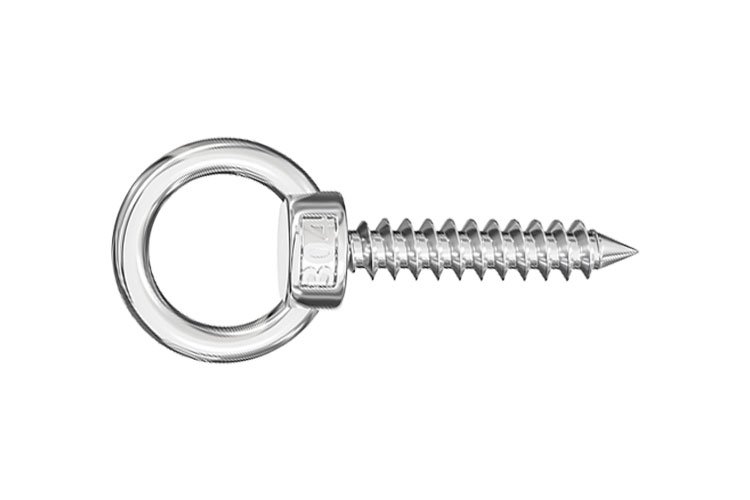
Lag Eye Screw
The shaft features sharp self-tapping threads and a pointed tip for use in wood or drywall.
What Is an Eye Bolt Used For?
- Lifting: lifting of building and steel structure materials, logistics handling.
- Anchorage: securing outdoor structures, fixing machinery and equipment to foundations.
- Marine: Corrosion-resistant eye bolts provide secure anchor points for rigging, towing and securing ships and yachts.
- Rigging: steel ropes or chains used to stabilize or move heavy loads.