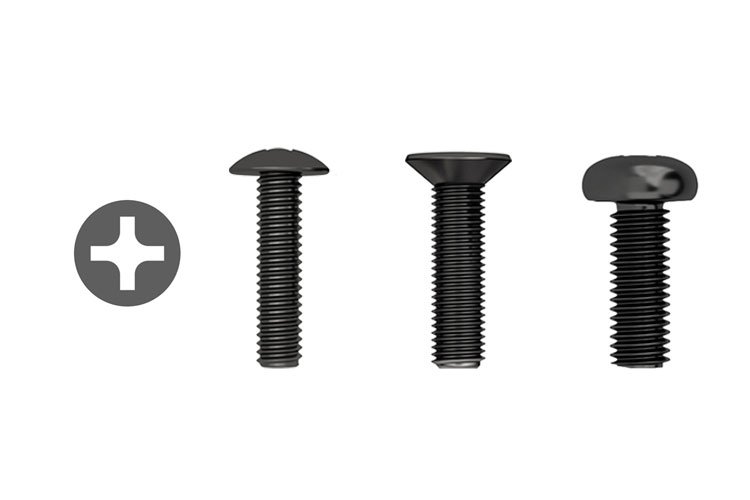
In modern industrial manufacturing, fasteners are one of the important components that make up mechanical equipment and structures. Titanium alloy fasteners have become the preferred material for high-end industries such as aerospace, automotive, marine engineering, and medical, due to its advantages of light weight, high strength, and excellent corrosion resistance.
With technological progress, the application fields of titanium alloy fasteners are expanding, and are promoting industrial manufacturing to more efficient, lightweight, intelligent direction. Titanium alloy is also known as “smart metal”, “space metal” and “ocean metal”.
What Is a Titanium Fastener?
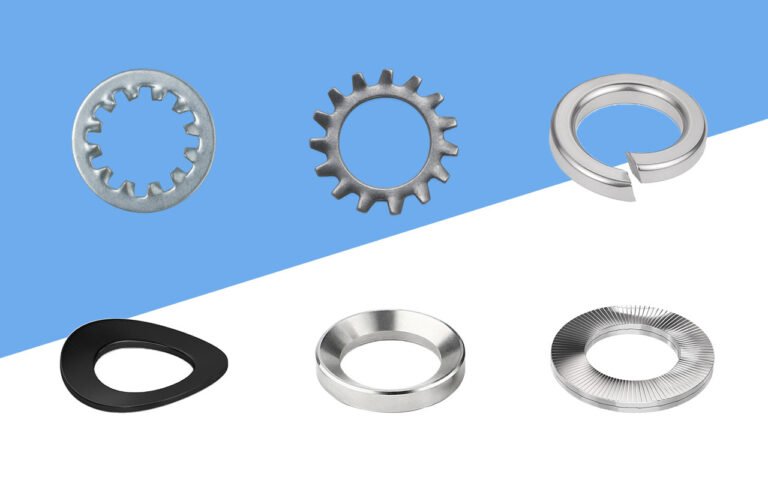
Titanium fasteners are titanium bolts, titanium screws, titanium studs, titanium nuts, titanium screws, titanium tapping screws, titanium washers, titanium rivets, titanium pins, titanium retaining rings, titanium connectors and fasteners – assemblies and other 13 categories; titanium fasteners as a kind of important general-purpose basic parts, in the industry with a pivotal role, is known as the “rice of industry”. As an important general basic part, titanium fasteners play an important role in industry and are called the “rice of industry”.
Features
- High strength-to-weight ratio
- Excellent corrosion resistance
- Heat resistant
- Low-temperature resistant
- Non-magnetic
Titanium Alloy Materials and Their Properties
Titanium and titanium alloy as a special structural material, although the investment of titanium equipment is large, but the reliability and service life of the equipment is greatly improved, and the economic benefits are obvious. Because of its high strength, corrosion resistance, high temperature creep resistance, commonly used in aviation and aerospace, petrochemical and seawater desalination and other fields.
- TC1 (Ti+AI+Mn) α-type titanium alloy
TC1 is an alpha-type titanium alloy. It has good process plasticity, welding properties and thermal stability. It is suitable for applications with high requirements for formability and welding. Such as in the components of aero-engine blades and compressor disks.
- TA2 High-purity titanium
TA2 is a high purity titanium metal. It has relatively low strength, good corrosion resistance, good plasticity, low density, and its manufacturing characteristics such as fewer production processes, shorter cycle time, high rate of material formation, and low manufacturing cost. It is suitable for environments that require high corrosion resistance and workability, and is widely used in chemical equipment, power generation, and marine equipment. It is the ideal material in the application of ultra-long and ultra-thin tubing.
- TC4 (Ti-6Al-4V) α+β-type titanium alloy
TC4 is the most widely used α+β titanium alloy. It provides moderate strength and excellent overall performance. TC4 titanium alloy fasteners are suitable for the manufacture of bolts, Hi-Lok fasteners, blind rivets, screws, and grooved rivets. Most TC4 bolts have been extensively applied in domestic aircraft, engines, airborne equipment, aerospace vehicles, and satellites.
- TB3 (Ti-10Mo-8V-1Fe-3.5Al) Titanium alloy
TB3 is a metastable β-type titanium alloy. After solution treatment, it exhibits excellent cold formability, making it suitable for the manufacture of high-strength aerospace fasteners, with strength levels reaching up to 1100 MPa.
- TC16 (Ti-3Al-5Mo-4.5V) Titanium alloy
TC16 is a solution- and age-hardened α+β titanium alloy. It exhibits high room-temperature ductility, making it suitable for cold heading processes. It is commonly used in the manufacture of fasteners such as bolts, screws, and self-locking nuts.
- TC6(Ti-6Al-2Sn-4Zr-2Mo)Titanium alloy
TC6 is a titanium–aluminum alloy. It exhibits excellent high-temperature strength and corrosion resistance, making it suitable for use in high-temperature, high-load environments. It is commonly applied in aircraft engines and high-strength structural components.
Application Reference Table for Common Titanium Alloy Materials
| Type | Grade | Characteristics | Uses |
|---|---|---|---|
| Industrial Pure Titanium | TA1, TA2, TA3 | With a high titanium content, its mechanical and chemical properties are similar to those of stainless steel. It offers good plasticity, is easy to process and form, and has excellent stamping and welding performance. It exhibits good corrosion resistance in environments such as air and seawater, with oxidation resistance superior to stainless steel, although its heat resistance is relatively low | It is mainly used for parts operating below 350°C that require either high plasticity or corrosion-resistant structural components. Typical applications include aircraft frameworks, ship pipelines, valves, pumps, heat exchangers, distillation columns, coolers, ion pumps, and compressed gas valves. In industry, TA1 is generally selected for applications requiring high plasticity, TA3 for wear resistance and high strength, while TA2 is the most commonly used grade for general applications. |
| Alpha (α) Titanium Alloys | TA4, TA5, TA6, TA7, TA8 | These alloys cannot be strengthened by heat treatment and rely solely on solid solution strengthening. They have relatively low strength at room temperature but exhibit the highest strength and creep resistance at elevated temperatures (500–600°C). Their microstructure is stable, offering good oxidation resistance and weldability. They also have good corrosion resistance and machinability, but their stamping/forming performance is poor. | TA4 is used for welding wire. TA5 and TA6 are used for parts exposed to corrosive media below 400°C, such as aircraft frameworks and ship blades. TA7 is used for forgings and parts operating below 500°C, with short-term use up to 900°C. It is also suitable for cryogenic components (down to -253°C), such as ultra-low temperature containers. TA8 is used for parts requiring long-term service below 500°C, such as engine compressor discs and blades. |
| Alpha + Beta (α+β) Titanium Alloys | TC1, TC2, TC3, TC4, TC6, TC7, TC9 ,TC10 | These alloys have excellent comprehensive mechanical properties, including low-temperature toughness and corrosion resistance. Most can be strengthened by heat treatment and are suitable for forging, stamping, and welding. They exhibit high strength at room temperature and good heat resistance in the temperature range of 150°C to 500°C. TC4 is the most widely used alloy in this group. | TC1 & TC2: Stamping parts, welded parts, and forgings for service below 400°C. TC3 & TC4: Parts for long-term service below 400°C, including containers, pumps, military components, medical devices, outdoor equipment, and parts requiring high strength. TC6: Military and aerospace components for long-term service below 450°C. TC7 & TC9: Parts for use below 500°C, such as compressor discs and blades in aircraft engines. TC10: Parts for long-term service below 450°C, including aircraft structural components, landing gear, and weapon casings. |
Common Types of Titanium Alloy Fasteners
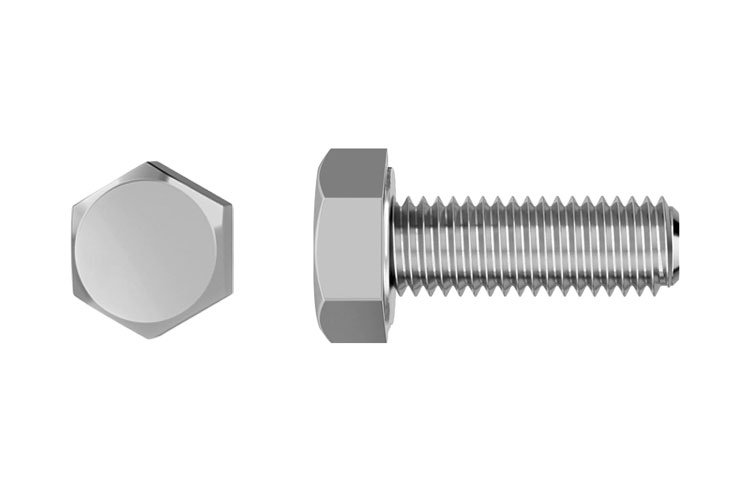
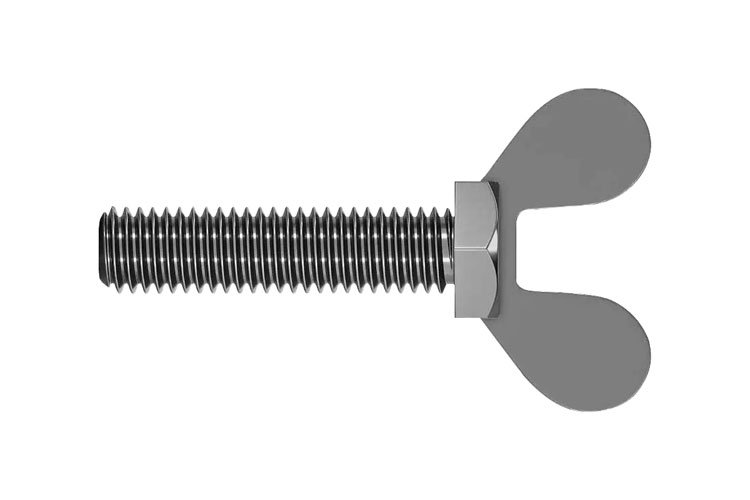
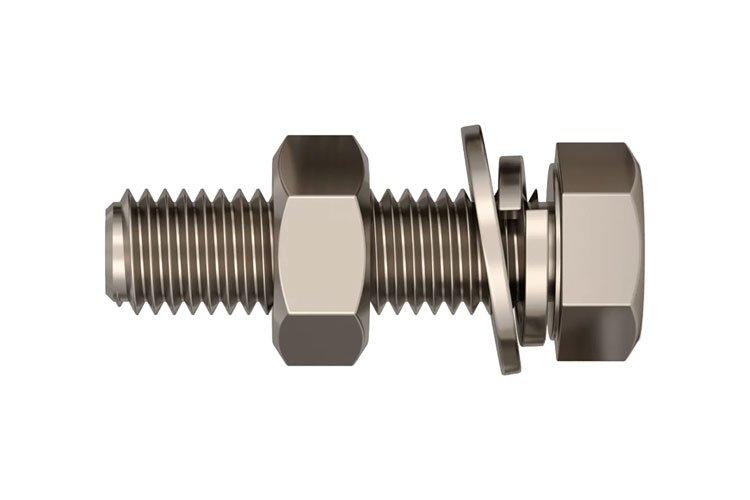
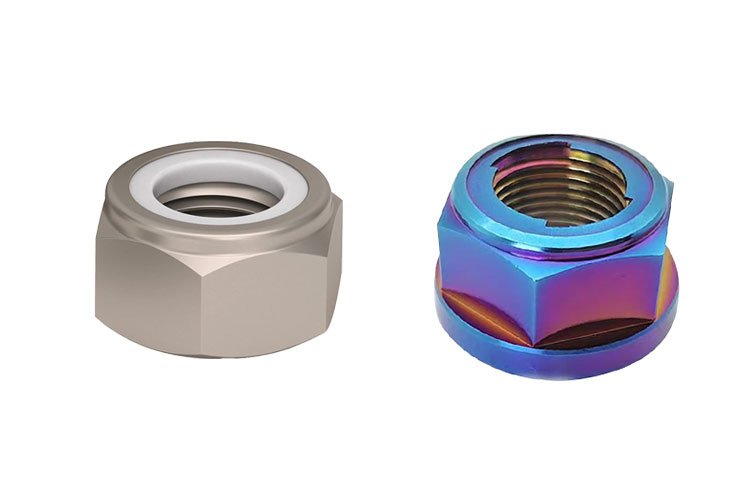
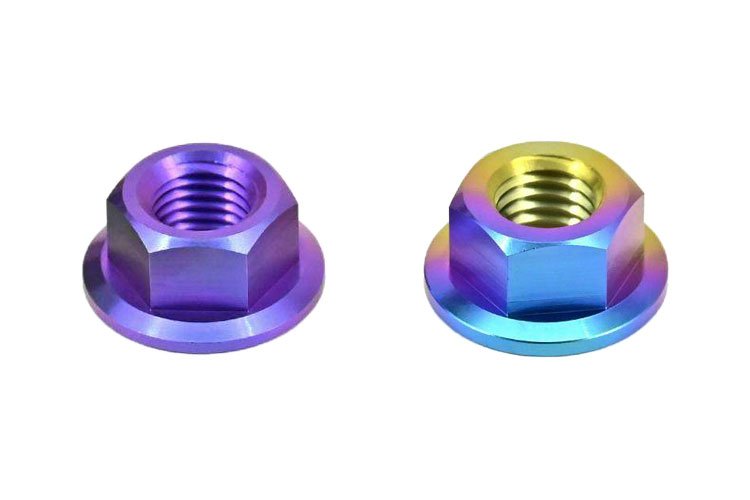
TA2 Pure Titanium Bolt & Nut
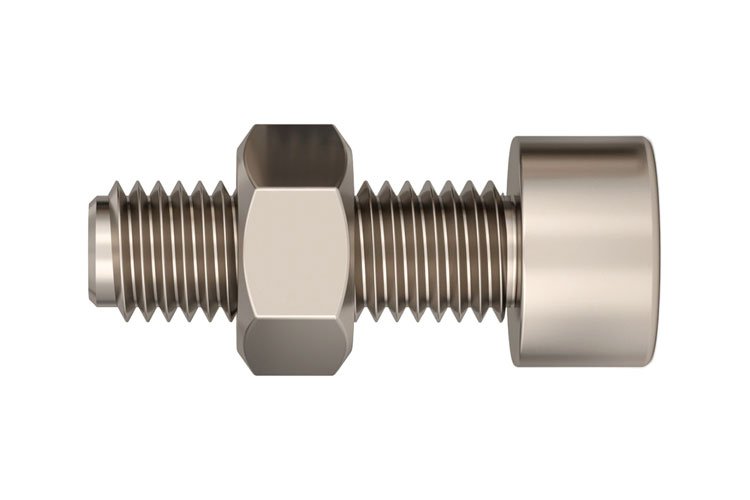


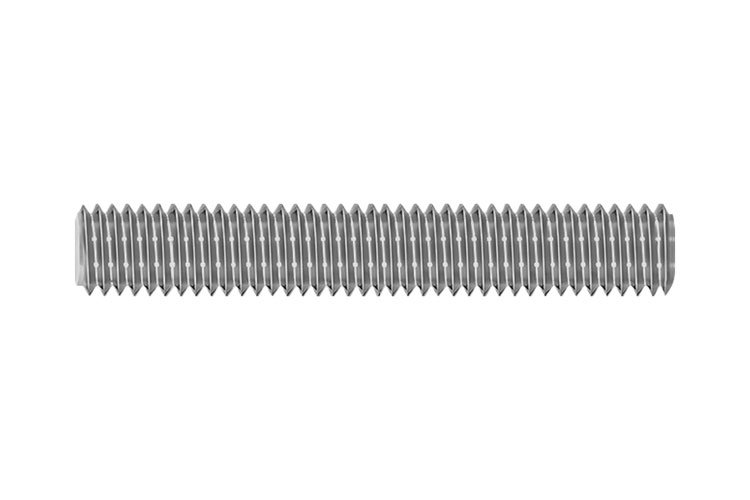
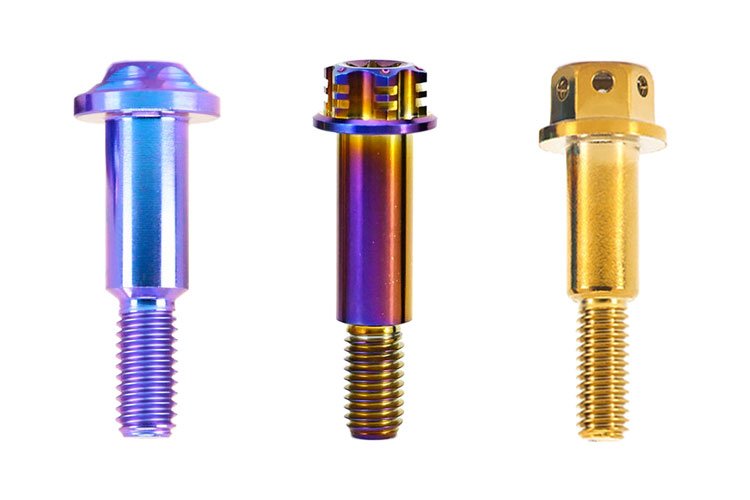
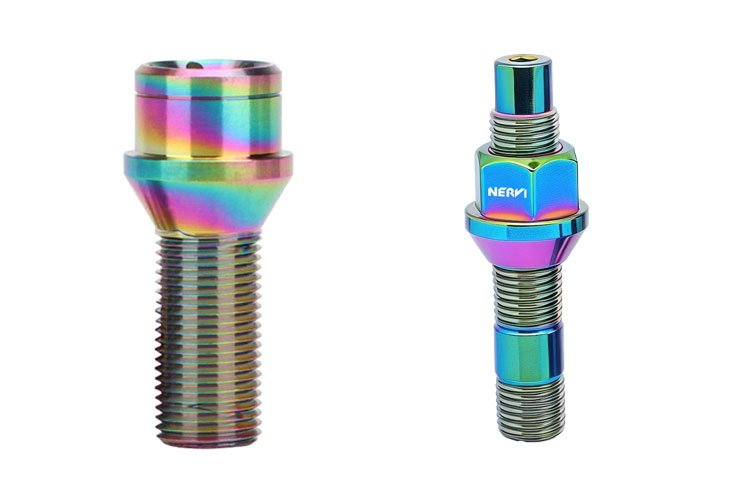
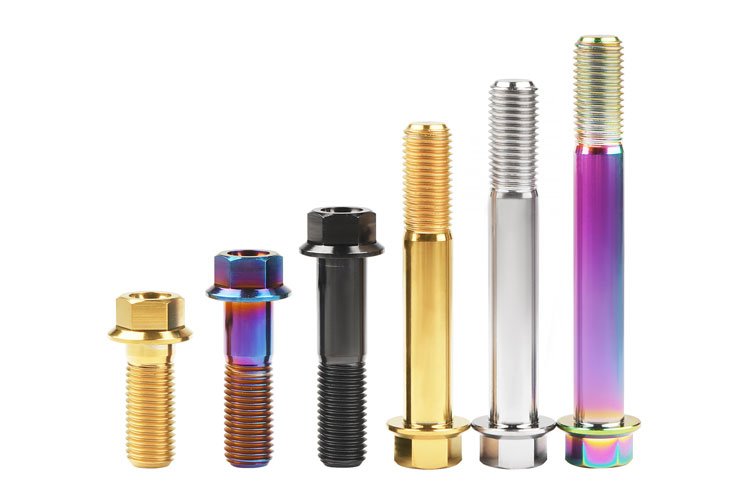
Titanium Wheel Bolt
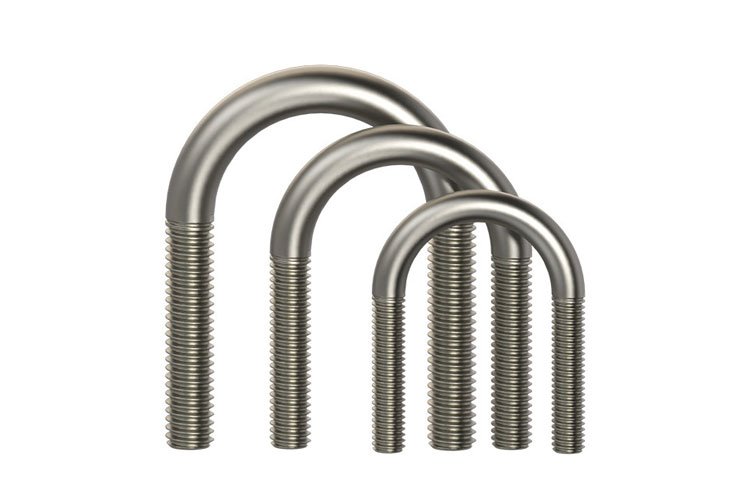
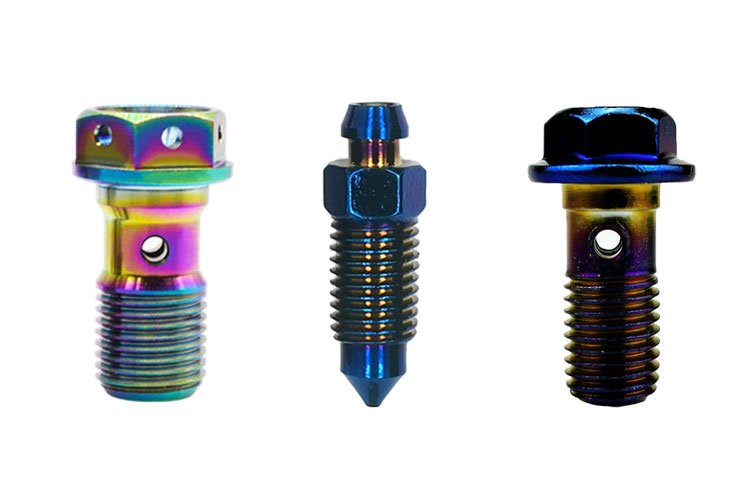
Titanium Banjo Bolt
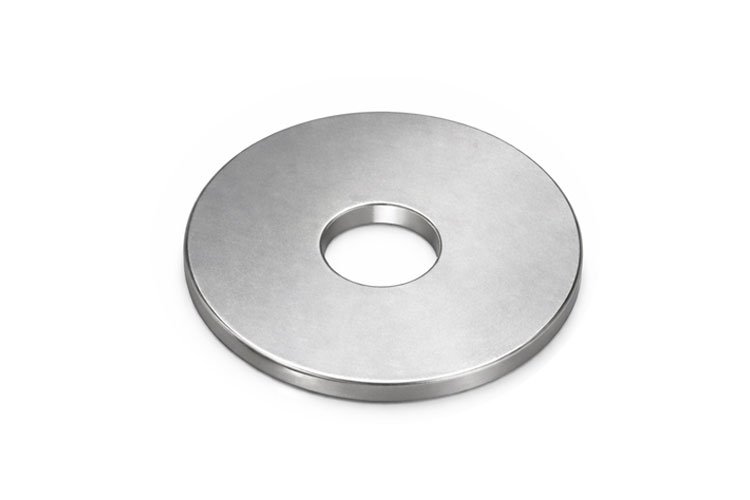
Titanium Fender Washer
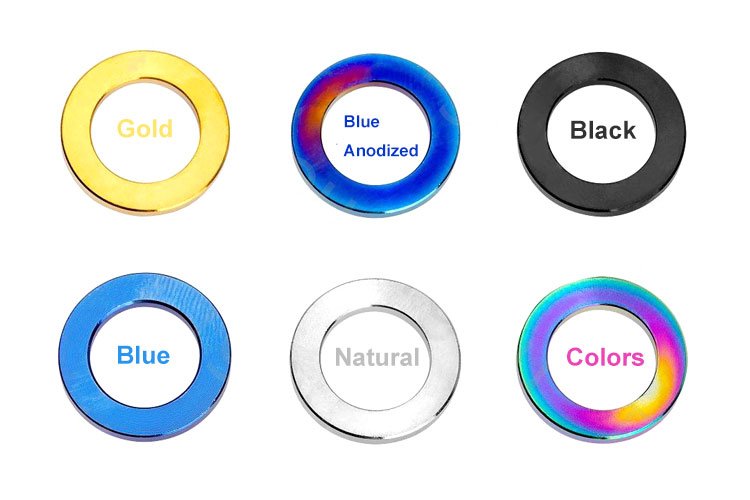
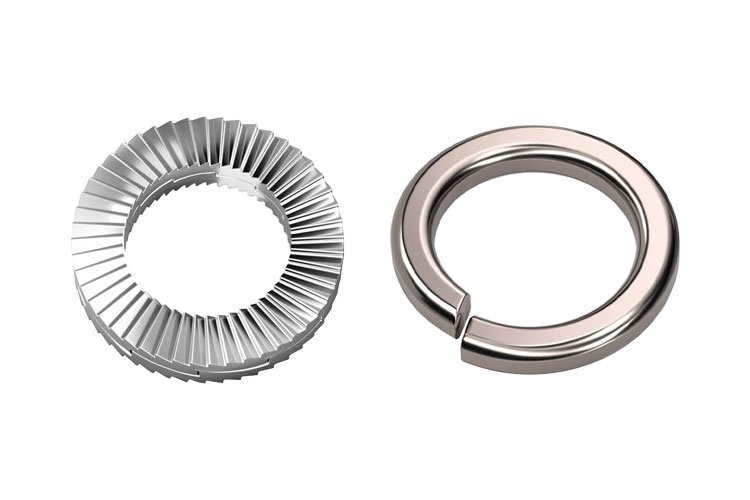
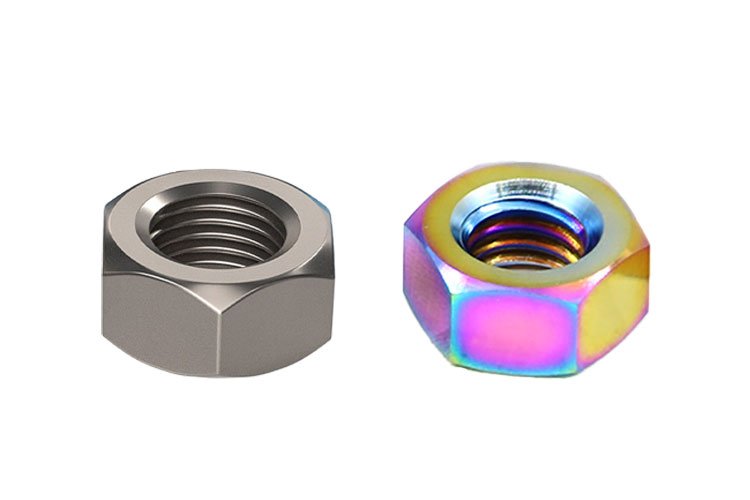
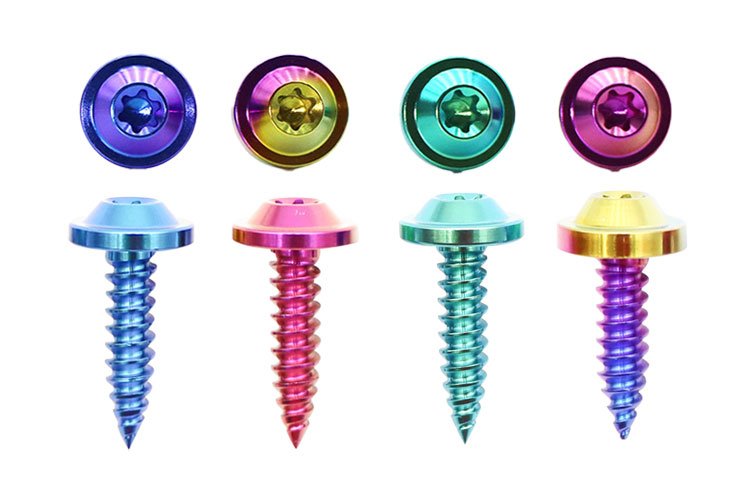
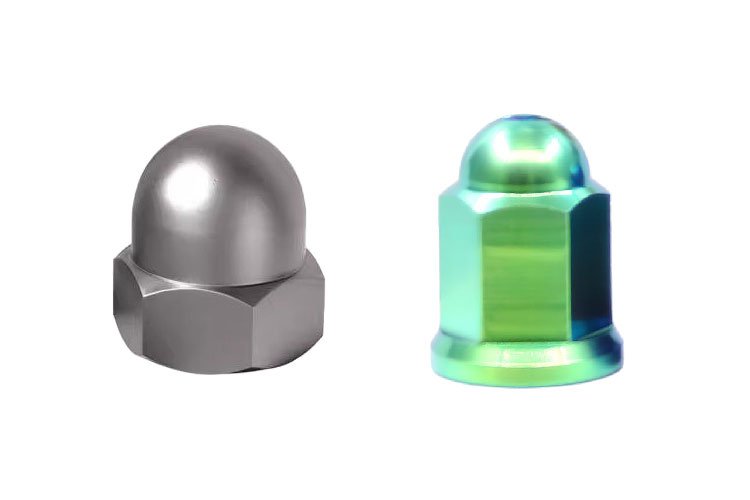
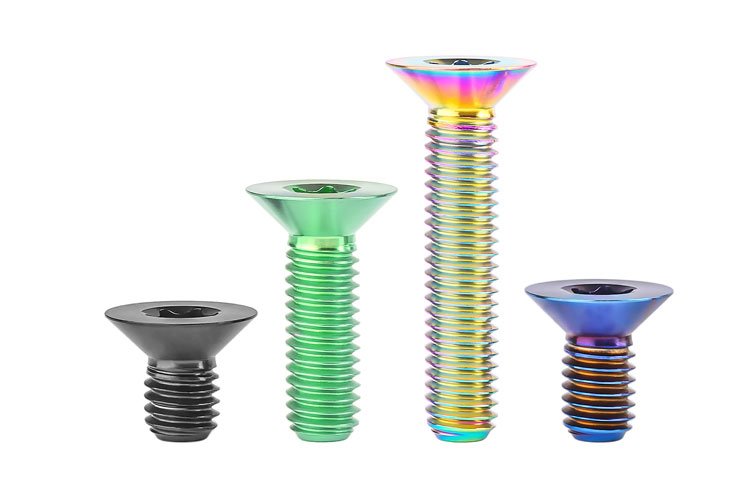
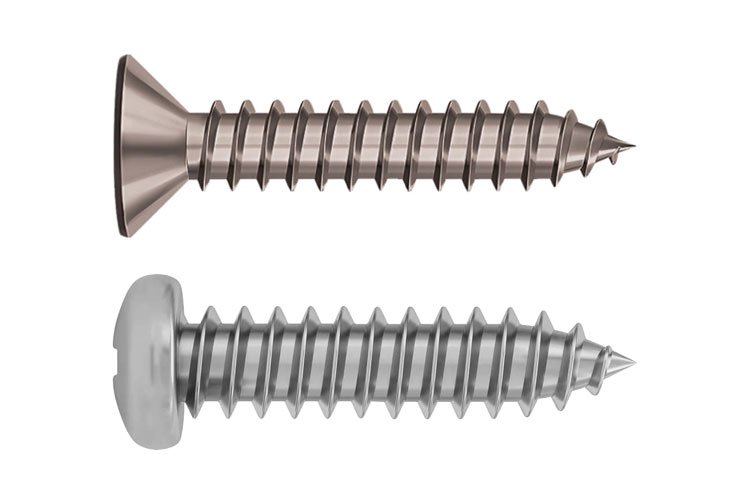
Titanium Countersunk Screw
Mechanical Properties Testing Standards
Tensile Properties: Tested according to ASTM E8/E8M or ISO 6892-1 standards, measuring tensile strength (≥900 MPa), yield strength, and elongation (≥10%) to evaluate the material’s load-bearing capacity and ductility.
Hardness Testing: Using ASTM E384 Vickers hardness method (HV) or Rockwell hardness (HRC). Typical hardness of TC4 titanium alloy is HV 320–380.
Impact toughness: Impact testing conducted per ASTM E23 to validate the material’s resistance to brittle fracture under cryogenic conditions (e.g., -196°C).
Fatigue and Fracture Toughness: Tested according to ASTM E647/E399 standards to determine fatigue life under cyclic loading and fracture toughness (K_IC ≥ 70 MPa·√m).
High/Low Temperature Performance: Tested according to AMS 4928 or GB/T 228, assessing the strength stability of titanium alloys between -250°C and 550°C.
Testing requires calibrated universal testing machines, hardness testers, and metallographic analysis to verify microstructure (e.g., α+β phase distribution). Industrial-grade titanium alloys (such as TC4 and TA15) must also comply with AMS 6931 or GB/T 2965 standards to ensure suitability for aerospace, medical, and other high-end applications.
Advantages
- High Specific Strength
Titanium has a density of 4.51 g/cm³, which is higher than aluminum but lower than steel, copper, and nickel. However, its strength far exceeds that of many other metals. Titanium alloys have only about 60% of the density of steel but can achieve tensile strengths above 900 MPa, approaching or even surpassing that of steel. Their strength is more than twice that of iron. This lightweight characteristic allows titanium alloy fasteners to meet high strength requirements while significantly reducing equipment weight, making them especially suitable for industries with stringent lightweight demands.
- Excellent Corrosion Resistance
Titanium and its alloys are highly stable in many environments. Titanium alloys naturally form a protective oxide layer that effectively resists corrosion from seawater, acidic media, and various chemical environments. This property makes titanium alloy fasteners a superior choice over stainless steel in highly corrosive conditions.
- Good Heat and Low-Temperature Resistance
Titanium alloy fasteners can operate stably within a temperature range of -250°C to 550°C, maintaining excellent mechanical properties even in extremely low or high temperature environments. Their thermal contraction rate is only half that of stainless steel, giving titanium alloy fasteners a significant advantage in applications requiring high thermal stability.
- Non-Magnetic and Non-Toxic
Titanium is a non-magnetic metal and does not become magnetized even in strong magnetic fields. Titanium alloys have a magnetic permeability of only about 1.00005, making them ideal for use in precision instruments and electronic devices sensitive to magnetism. More importantly, titanium alloys are non-toxic and possess excellent biocompatibility, causing no adverse reactions in the human body, which is why they are widely used in medical devices.
- Strong Vibration Damping
Compared to steel and copper, titanium exhibits the longest vibration decay time after mechanical or electrical vibration. This property makes titanium suitable for use in tuning forks, ultrasonic medical devices, and vibration diaphragms in high-end audio speakers.
Applications
Due to the relatively high cost of titanium alloys, their use is mainly concentrated in high-end and precision industries.
- New Energy Vehicles
Under lightweight requirements, TC4 and pure titanium TA1 grounding fasteners can replace traditional steel parts, reducing vehicle weight while improving corrosion resistance.
- Nuclear Industry
During the construction of nuclear reactors, many components, pipelines, and related parts require large quantities of titanium and titanium alloys, with titanium alloy fasteners being a key component.
- Electronic Devices
Previously, many mobile phones and computers used steel fasteners. However, steel is magnetic and requires demagnetization treatment; otherwise, steel screws can become magnetized under electromagnetic fields, affecting network signals. Titanium alloy screws are non-magnetic, lightweight, and high-strength, making them ideal fasteners for electronic devices.
- Medical Industry
Titanium is a biocompatible metal widely used in medical applications. Titanium alloy fasteners are often used in clinical treatment for fracture and dislocation fixation, providing strong and deformation-resistant support.
- Aerospace
High-strength β-type titanium alloys are preferred due to their excellent cold workability and fatigue strength up to 1035 MPa. Replacing steel screws of similar strength with titanium alloy screws significantly reduces aircraft weight. These are used in critical components such as aircraft load-bearing frames and landing gear. Additionally, titanium alloys offer good elasticity and are non-magnetic, playing a vital role in preventing bolt loosening and magnetic interference.
Titanium Fasteners vs. Stainless Steel Fasteners
| Item | Titanium Alloy | Stainless Steel |
|---|---|---|
| Weight | ★★★★★ | ★★★ |
| Strength | ★★★★★ | ★★★★ |
| Corrosion Resistance | ★★★★★ | ★★★★ |
| Cost | ★★ | ★★★★ |
| Machining Difficulty | High | Medium |
Note: Titanium alloy fasteners are better suited for high-end, high-risk, and high value-added applications.
Precautions for Using Titanium Fasteners
The selection of titanium standard fasteners should comprehensively consider material properties, processing costs, and the service environment. Precise matching enables the synergistic optimization of lightweight, corrosion resistance, and high strength, facilitating their extensive application in high-end manufacturing sectors.
- Cold Heading Forming
Metastable β alloys support room-temperature cold heading, suitable for mass production of bolts and rivets, reducing costs by approximately 30% compared to hot heading.
- Hot Forging Forming
α+β alloys require heating to 800–950°C for forging, suitable for high-strength aerospace bolts and complex structural parts.
- Material Inspection
Verify compatibility between fastener material and mating components to avoid galvanic corrosion. Inspect threads for cleanliness and damage to prevent seizing or stripping during installation.
- Tool Selection
Use specialized torque wrenches to avoid over-tightening or under-tightening caused by ordinary adjustable wrenches.
- High-Temperature Applications
TC4 bolts used above 350°C should be paired with nickel-based washers to prevent creep deformation.
- Electromagnetic Sensitive Environments
Use non-magnetic titanium alloys to avoid interference with sensitive instrumentation signals.
- Lubrication and Galling Prevention
When titanium fasteners contact aluminum alloys, apply molybdenum disulfide (MoS₂) lubricant to prevent high-temperature friction welding. Do not reuse washers, as deformation can cause uneven preload.
- Torque Control
Tighten bolts according to specified torque values; over-torquing may cause thread stripping. For long bolts, apply force on the nut to avoid twisting the bolt.
- Assembly Sequence
For multi-bolt connections, tighten bolts in a cross-symmetric pattern to ensure even load distribution.
- Regular Inspection
In chemical equipment, inspect corrosion every six months, focusing on welds and stress concentration areas. When checking flange connections, ensure sealing rings are free from deformation or cracking.
- Anti-Loosening Measures
Prefer self-locking nuts or titanium bolts pre-coated with anaerobic adhesive to enhance vibration resistance. Avoid using ordinary titanium alloys (non-magnetic types required) in electromagnetic sensitive environments.
- Environmental Adaptability
For high humidity or corrosive media, use industrial pure titanium grades TA1/TA2 rather than TC4 alloy.
Surface Treatment
Titanium alloy surface treatments generally include anodic oxidation coloring, nitriding, and coatings.
1、Anodic Oxidation Coloring:
Through anodic oxidation, a titanium oxide film forms on the alloy surface. This not only enhances corrosion resistance but also creates various colors (such as blue, gold, purple) due to light interference, making the surface more aesthetically pleasing.
2、Nitriding Treatment:
Nitriding generates nitrides on the titanium alloy surface, increasing surface hardness and wear resistance, suitable for high-load applications.
3、Coating Enhancement::
For specific applications like aerospace, special coating technologies can be applied to further improve corrosion resistance and durability.
Conclusion
Thanks to their excellent properties of high strength, lightweight, and corrosion resistance, titanium alloy fasteners are widely used in high-end fields such as aerospace, automotive manufacturing, marine engineering, and medical devices. They are the preferred fastener solution for technology-driven companies aiming to upgrade product performance.
If you are looking for high-quality titanium alloy fastener suppliers or need technical support for material selection, please feel free to contact us for professional solutions.