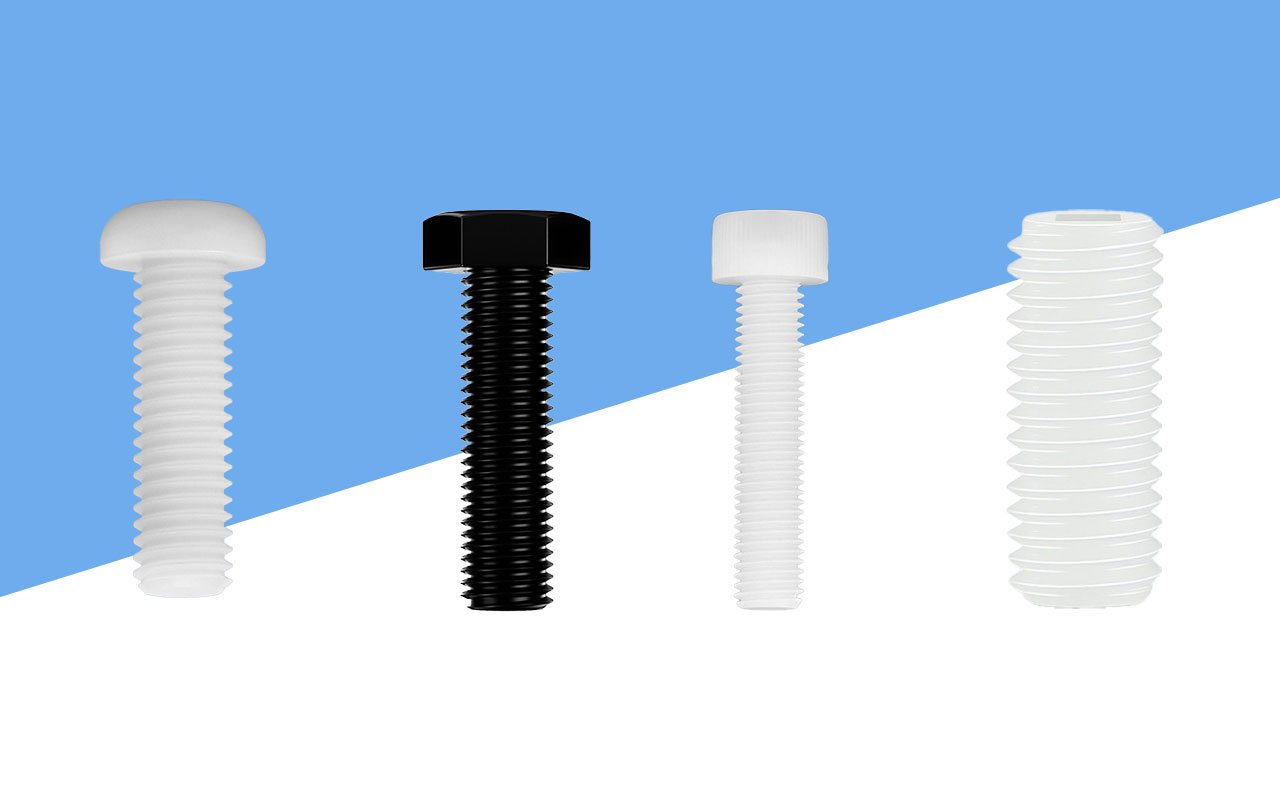
What Is a Nylon Screw?
Nylon Screws are non-metallic fasteners made of engineering plastic nylon (PA6, PA66 and its modified materials) as the main raw material. Compared with traditional metal screws, the tensile strength of nylon screws is not as strong as metal, generally between 60MPa and 200MPa. Nylon screws have the advantages of insulation, flexibility, anti-bacteria, mould resistance, corrosion resistance, light weight, vibration and noise reduction, etc., and are widely used in electronic, electrical, automotive, medical, chemical and other industries.
Nylon screws stretch slightly when tightened, creating a tensile force that maintains a strong and lasting connection.
Common materials include:
- PA6 / PA66 (most commonly used)
- Glass Fibre Reinforced Nylon (GF Nylon)
- High Temperature Modified Nylon
Advantages of Nylon Screws
- Affordable
Compared to metal screws, nylon plastic screws are more economical and easier to install and maintain.
- Tensile and Compressive Properties
Nylon screws (primarily Nylon 66) exhibit tensile strength approaching their yield strength, exceeding that of ABS plastic by more than double. Their compressive strength rivals that of metals, though their rigidity is slightly inferior. Their impact resistance surpasses most plastics, even exceeding that of thermosetting resins. They effectively absorb vibrations and stresses, thereby reducing the risk of equipment loosening.
- Fatigue Resistance
Under cyclic stress (such as escalator handrails, bicycle rims), nylon screws can maintain mechanical strength for a long time and are not easy to break.
- Modified Reinforcement
Modified nylon screws reinforced with 30% glass fiber exhibit significantly enhanced mechanical properties, with strength comparable to metal, making them suitable for high-load applications.
- Corrosion Resistance
Resistant to alkali, salt liquid, weak acid, engine oil and aromatic compounds, suitable for petrochemical, marine and other corrosive environments, but need to avoid strong acids and oxidizers.
- Heat Resistance
Ordinary nylon 66 heat distortion temperature of about 100 ℃, glass fiber reinforced up to 250 ℃ or more, suitable for high-temperature scenarios (such as wind power generation equipment).
- Weather Resistance
Adding anti-UV agent, it can resist ultraviolet rays and aging, and is not easy to be brittle in long-term use.
- Insulation Properties
High volume resistivity, strong breakdown voltage resistance, dry environment can be used as frequency insulation materials, high humidity environment still maintains good insulation, widely used in electronic equipment, medical equipment and other fields.
- Non-magnetic
Suitable for magnetically sensitive applications such as aerospace and communications.
- Reduce Vibration
Nylon absorbs vibrations, reducing the risk of screws loosening due to continuous motion.
- Lightweight
Weighing only one-fifth to one-seventh of metal screws, they reduce the overall weight of equipment and enhance energy efficiency.
Limitations of Nylon Screws
- Torsional Strength
Nylon screws have lower torque strength than metal screws and should be avoided in overloaded applications (e.g., torque tolerance ±20% for screws below M4). In fields such as building steel structures and bridge engineering, nylon screws are generally not used for critical connections. When subjected to significant external forces, nylon screws are prone to deformation, breakage, and other issues.
- Dimensional Stability
Nylon materials exhibit strong water absorption, causing dimensional changes in nylon screws under varying humidity conditions. Such dimensional shifts may compromise the fit accuracy between screws and nuts or threaded holes, leading to installation difficulties or loose connections. In applications demanding high dimensional precision—such as precision instruments and optical equipment—the dimensional stability of nylon screws warrants careful consideration.
- Lower Intensity
Compared to metal screws, nylon screws have relatively lower strength. In applications requiring high connection strength, such as structural joints in large machinery or securing heavy-duty equipment, nylon screws may not meet the performance requirements.
- Poor Heat Resistance
Nylon materials have limited high-temperature resistance, and nylon screws are prone to softening, deformation, or even decomposition in high-temperature environments. Generally, the long-term operating temperature for standard nylon screws should not exceed 100°C, and short-term exposure should also be kept within reasonable limits. In high-temperature work environments such as metallurgy, coking, and baking industries, nylon screws cannot function properly. Metal screws with superior heat resistance or screws made from other specialized materials must be selected instead. For instance, using nylon screws in the installation of high-temperature furnace bodies can cause them to lose strength due to heat, leading to equipment loosening and damage.
- Poor Anti-Aging Properties
Nylon materials are prone to aging over extended periods of use due to factors such as ultraviolet radiation, oxygen, and moisture. Aged nylon screws exhibit issues such as discoloration, brittleness, and reduced strength, thereby compromising their service life and performance. In outdoor environments with prolonged exposure, such as solar equipment and outdoor billboards, the aging problem of nylon screws becomes particularly pronounced. To enhance the anti-aging properties of nylon screws, special modification processes or the addition of anti-aging agents are typically required, but this increases product costs.
Types of Nylon Screw
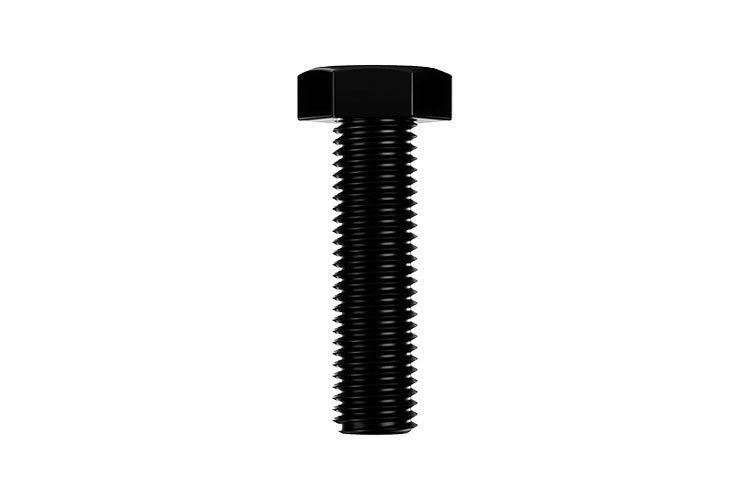
Hex head construction for high-torque fastening reduces the risk of slippage.
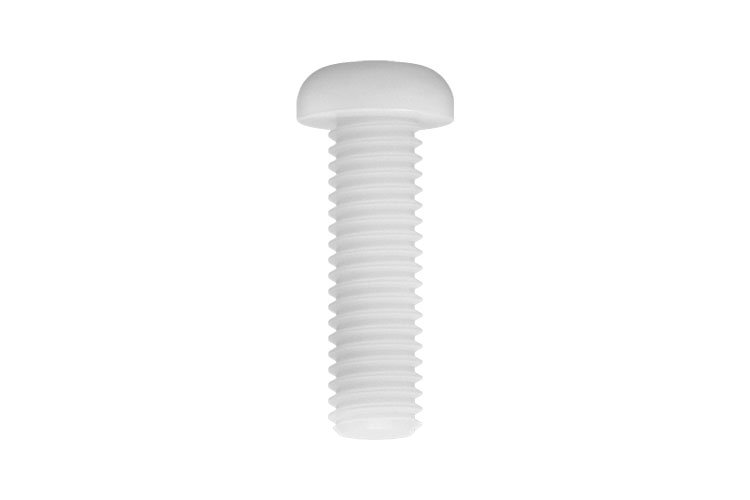
Pan-head screws feature a large head surface area, enabling even load distribution during tightening and reducing pressure on the mounting surface.
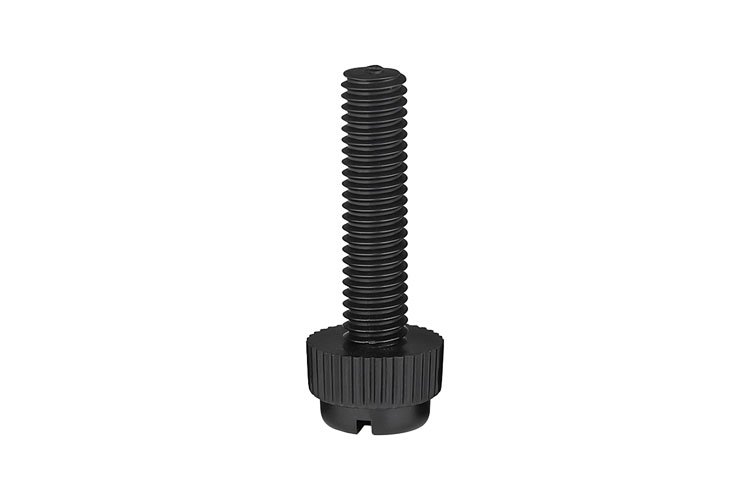
The nylon thumb screws feature a knurled design for easy manual tightening and removal without tools.
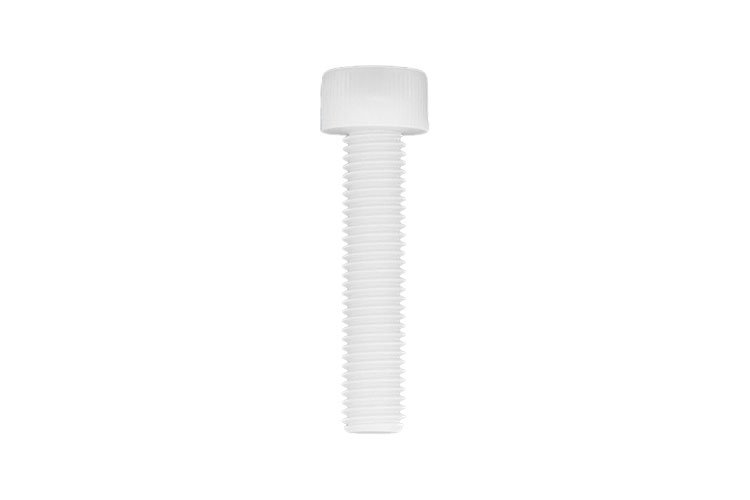
Nylon hex socket head cap screws feature a cylindrical head with an internal hex drive design, enabling secure tightening in confined spaces. They offer high assembly efficiency and resist slippage.
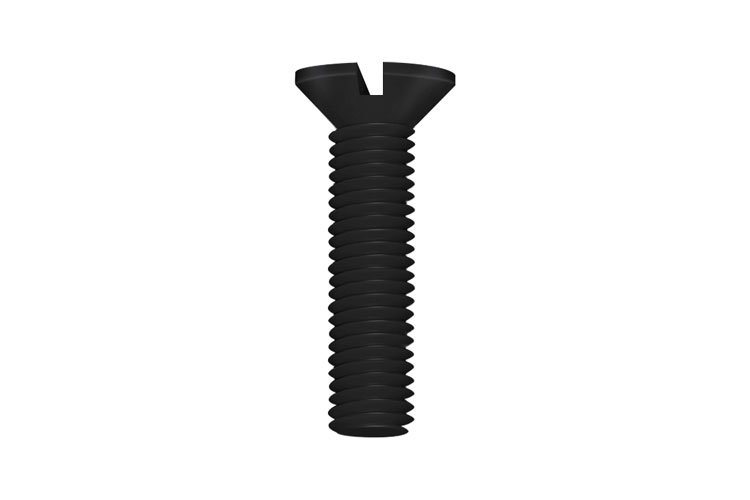
Countersunk Head Machine Screw
The tapered head of nylon countersunk screws can be fully embedded into the mounting hole, ensuring a smooth and aesthetically pleasing surface.
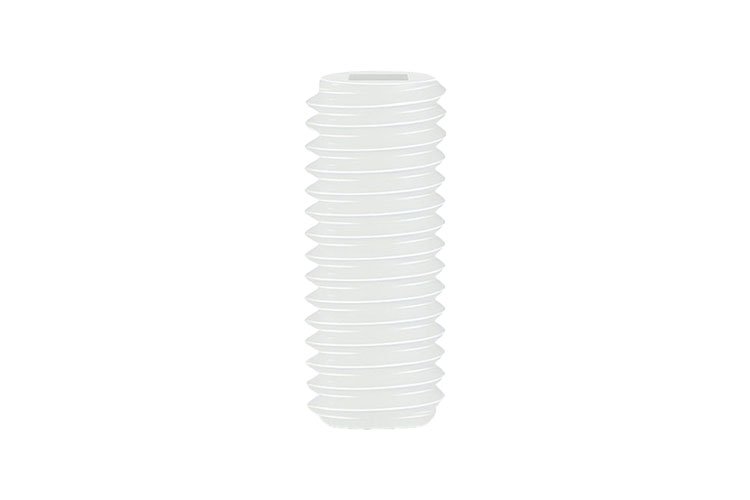
Nylon set screws are blind hole screws that secure sleeves, pulleys, or gears onto shafts by applying pressure through the screw end, preventing relative movement between components.
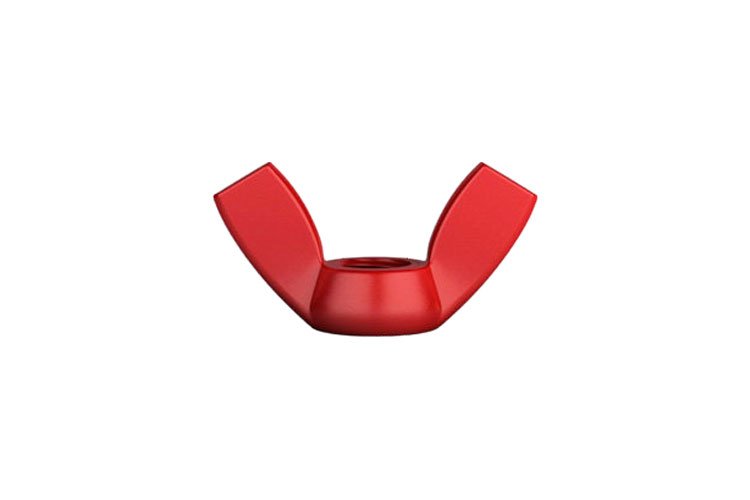
Nylon wing screws feature a dual-wing design that allows for direct manual tightening and removal without tools.
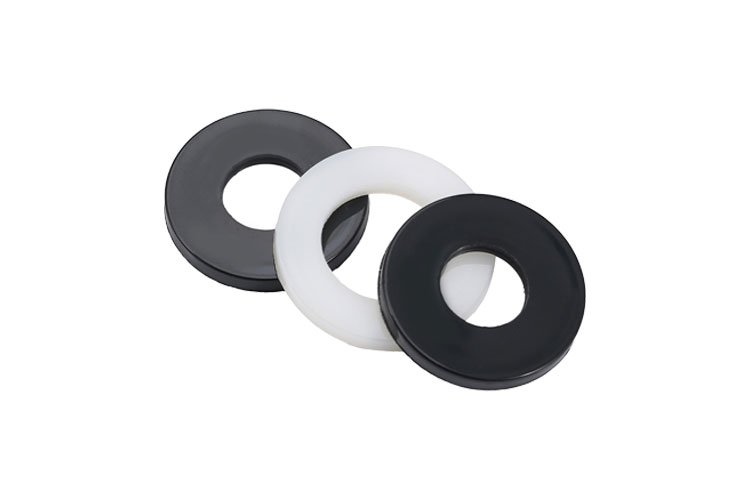
Nylon washers are used to distribute loads, protect contact surfaces, and provide excellent electrical insulation. They effectively reduce vibration, wear, and metal-to-metal contact.
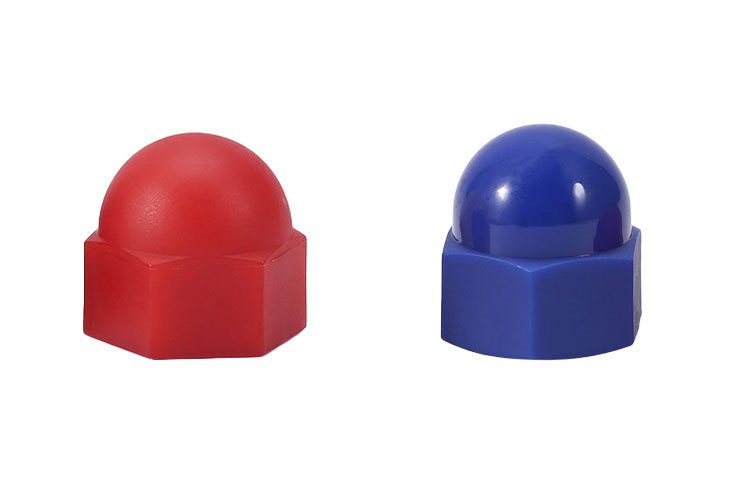
The nylon cap nut features a sealed top that prevents the threaded end from being exposed, enhancing safety and visual neatness while providing dust and corrosion protection.
Torque Standards for Nylon Screws
Torque standards for nylon screws vary depending on specifications and application scenarios. Below are some common torque standards for nylon screws:
| Specifications | Recommended Torque Range |
|---|---|
| M2 | 0.1 – 0.3 N·m |
| M3 | 0.5 – 0.8 N·m |
| M4 | 1.0 – 1.5 N·m |
| M5 | 2.0 – 3.0 N·m |
Note: ≤ M4: ±20%, > M4: ±10%; The above values are empirical data for standard assembly conditions. Specific values should be confirmed based on material grade, thread fit, and operating conditions.
Electronic Equipment Assembly
Used for circuit boards, enclosure fixing, to avoid crushing the plastic parts or PCB.
- M2:0.1 – 0.3 N·m
- M3:0.4 – 0.6 N·m
Installation of Automotive Interior Components
Balancing the requirements for shock absorption, noise reduction, and lightweight design.
- M4:1.0 – 1.8 N·m
- M5:2.0 – 3.5 N·m
Furniture Manufacturing
Suitable for panel furniture, plastic or composite joints.
- M3:0.3 – 0.6 N·m
- M4:0.8 – 1.5 N·m
What Is the Temperature Resistance of Nylon Screws?
| Type | Operating Temperature | Short-Term Heat Resistance |
|---|---|---|
| Standard nylon | -40℃ ~ 80℃ | ≤120℃ |
| Glass-fiber reinforced nylon | ≤120℃ | 150–180℃ |
| High-temperature-resistant nylon | 150–200℃ | ≥250℃ |
How to Remove a Broken Nylon Screw?
Nylon screws break from time to time in daily life and in the maintenance of various types of equipment. Due to the characteristics of the nylon material, the method of removing it after breakage is different from that of metal screws.
- Needle-nose pliers: If a nylon screw breaks and the broken part protrudes a certain height from the workpiece surface, and the screw diameter is relatively large, you can use needle-nose pliers to slowly and evenly apply external force and rotate along the screw thread direction to try to unscrew it.
- Screwdriver assistance: For nylon screws with shallow threads or irregularly broken tips, a screwdriver can be used to assist in removal.
- Heat Softening: Nylon possesses thermoplastic properties, meaning its hardness decreases when heated, making it relatively soft. This facilitates the removal of broken screws. A heat gun or lighter can be used to heat the broken nylon screw.
- Chemical Dissolution: Organic solvents such as acetone and banana water exhibit a certain degree of dissolving effect on nylon. First, apply a small amount of organic solvent around the broken screw, allowing the solvent to gradually penetrate the gap between the screw and the workpiece. The solvent will slowly dissolve part of the nylon screw material, loosening its connection to the workpiece.
- Drilling to Remove Screws: For larger-diameter nylon screws that have broken off deeply, drilling to remove the screw is a viable solution. Carefully drill a hole at the screw’s center point. Once the drill reaches a certain depth, the remaining portion of the screw may loosen due to the vibration from drilling. At this point, you can attempt to remove the screw using a screwdriver or other suitable tool.
Where Are Nylon Screws Used?
- Electrical and Electronic Industry
- Fixed PCB, electrical enclosure, insulated bracket
- Anti-conductive, anti-short-circuit, non-interference signal
- Cell phone, tablet, router, communication equipment
- Automobile Manufacturing
- Dashboard, door panels, interior trim fixing
- Lightweighting, vibration and noise reduction
- Modified nylon can be used around the engine compartment
- Medical Devices
- Non-toxic, non-magnetic, corrosion resistant
- No electromagnetic interference
- For testing equipment, precision instruments
- Petrochemical
- Acid, alkali and salt spray resistant
- Pipe supports, valves auxiliary fixing
- Reduce the risk of failure due to corrosion
Where to Source Nylon Screws (PA66)?
BD Fastener is a high quality nylon screws supplier, offering a full range of nylon screws in metric and inch, if you are looking for reliable nylon bolts, nylon nuts and nylon screws suppliers, please contact us online.
- Non-standard sizes / Special lengths
- Specific colors (black, natural, white, etc.)
- High-strength PA66 / Fiber reinforced nylon
- Flame retardant, high temperature resistant, chemical resistant requirements
Conclusion
Nylon screws are not a “substitute” for metal screws, but a better choice in specific working conditions. In the insulation, anti-corrosion, vibration damping, lightweight needs of the application of clear, reasonable choice of nylon screws, can significantly improve the reliability of the machine and reduce maintenance costs.