Wood screws are commonly used fasteners in furniture assembly, woodworking projects, and construction decoration. Their size selection directly affects the strength and stability of the connection.
This article summarizes common wood screw specifications, size parameters, and typical application scenarios, and provides practical selection tips to help you accurately choose the right screws for your needs.
What Is a Wood Screw?
Wood screws are self-tapping fasteners specifically designed for joining wood. Unlike machine screws, wood screws usually do not require pre-tapped threads. However, when working with hardwood, it is recommended to drill pilot holes to prevent the wood from splitting.
Key characteristics of wood screws include:
- Deep threads for strong holding power
- Wide thread pitch for faster driving
- Sharp tip (usually self-tapping)
- Partial thread design
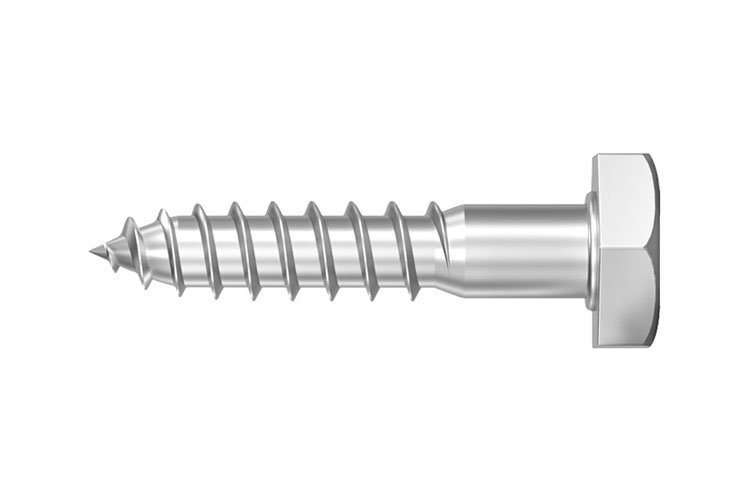
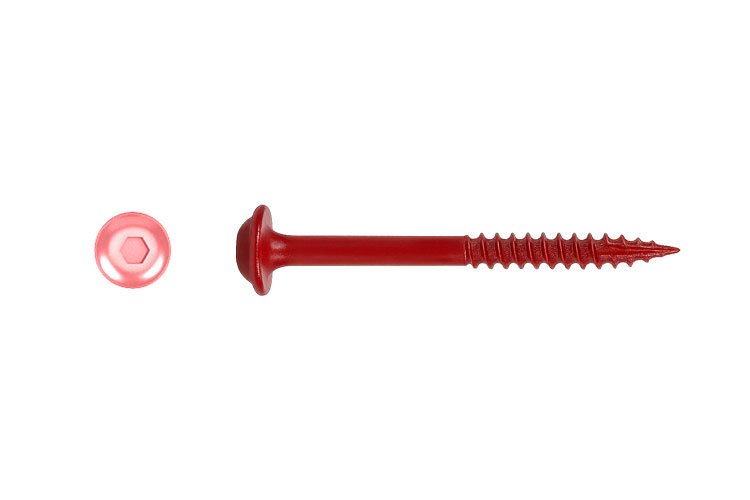
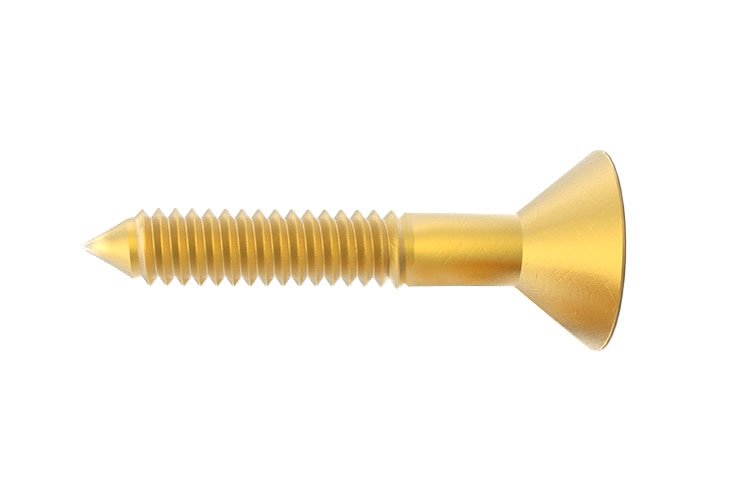
Wood Screw Head Types
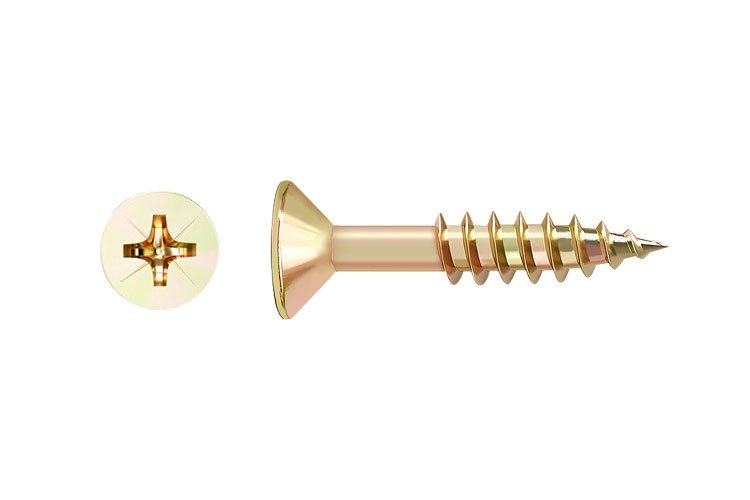
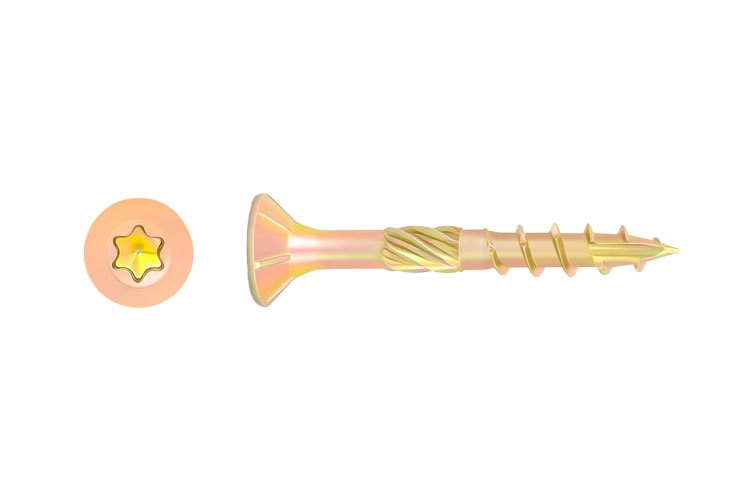
Wood Screw Size Chart and Designation
Wood screw sizes are typically expressed as diameter × length, with the unit in millimeters (mm).
Examples
- 3 × 25: The screw has a 3 mm diameter and a 25 mm length.
- 4 × 40: The screw has a 4 mm diameter and a 40 mm length.
Parameters
- Diameter: The larger the diameter, the greater the load-bearing capacity. For example, a 4.2mm screw can withstand approximately 800N of shear force (according to ISO 15480 standard).
- Length: Select based on the thickness of the materials being joined, typically ranging from two-thirds to three-quarters of the total material thickness.
Thread Types
- Full-threaded: The entire screw shaft is threaded, making it suitable for softwoods such as pine and fir.
- Half-thread: The shaft features partial threading, making it suitable for hardwoods (such as oak or walnut) or applications requiring higher shear resistance.
Common Wood Screw Size Chart
Common Screw Sizes for Furniture Assembly
| Diameter (mm) | Length (mm) | Typical Applications | Estimated Load Capacity |
| 2.5 | 16–20 | Thin wood panels, drawer slides, small brackets | Low (≤ 10 kg) |
| 3.0 | 20–30 | Furniture frames, door panels, MDF boards | Medium (10–30 kg) |
| 3.5 | 25–40 | Thick wood boards, bed frames, shelf beams | Medium–High (30–50 kg) |
| 4.0 | 30–50 | Large furniture, stair treads, load structures | High (50 kg+) |
| 5.0 | 40–60 | Heavy timber structures, outdoor wood decking | Very High (100 kg+) |
Recommended Screw Sizes for Special Applications
- High-frequency vibration environments (such as door hinges)
Diameter ≥4mm, length 5-10mm longer than material thickness, paired with spring washers for anti-loosening.
- Softwood (such as pine)
Use a drill bit one size larger than the hardwood (e.g., 3mm for hardwood, 3.5mm for softwood) to prevent stripping.
- Outdoor use
Select stainless steel (304/316) or galvanized screws to prevent rusting. Recommended diameter: ≥4mm.
How to Choose the Right Wood Screw Size
Material Thickness
- The screw length should be ≥ 2/3 of the total thickness of the materials being joined, with an additional 3-5mm allowance (to avoid penetrating the surface).
- Example: To connect two 18mm thick wooden boards, resulting in a total thickness of 36mm, it is recommended to use screws with a length of 25-30mm.
Diameter
- Hardwoods (such as oak, maple): The diameter should be 0.5–1 mm larger than the cork.
- Softwoods (such as pine and fir): The diameter can be selected according to standards, but avoid excessive tightening that may cause wood cracking.
Load Capacity
- Light-load scenarios (such as hanging pictures or small shelves): Diameter 2.5–3 mm, length 16–25 mm.
- Heavy-duty applications (such as bookshelves, bed frames): Diameter ≥4mm, length ≥40mm, double screws for reinforcement if necessary.
Allow Installation Tolerance
- When drilling holes, use a drill bit that is 0.5-1mm smaller than the screw diameter (e.g., a 2.5mm drill bit for a 3mm screw) to prevent wood splitting.
Wood Screws: FAQ
Q1: How do you calculate screw length?
Total length = Thickness of material A + Thickness of material B + 3–5 mm (embedding allowance).
Q2: What happens if the diameter is too large?
This may cause wood to split (especially softwoods) or the screw head to sink into the wood surface.
Q3: How to choose between stainless steel screws and carbon steel screws?
- Indoor dry environments: Carbon steel screws (low cost, high strength).
- Outdoor or humid environments: Stainless steel screws (rust-resistant, but higher cost).
Q4: What is the installation torque?
- Recommended torque for carbon steel screws: 0.5–2.5 N·m
- Recommended torque for stainless steel screws: 0.3–1.8 N·m
Q5: Common Surface Treatments
Galvanized (thickness 5-15μm), stainless steel (SUS304/316), etc., must comply with RoHS environmental requirements.
Q6: What should the pre-drilled hole diameter be?
For high-density wood, the recommended hole diameter is 70%-80% of the screw diameter (e.g., a 2.8mm pilot hole for an M3.5 screw).