In today’s highly developed intelligent manufacturing and consumer electronics, cell phones have long been an indispensable electronic product in people’s lives. From the integrated design of the exterior to the internal high-density integrated circuit structure, every detail has been precisely calculated and repeatedly verified.
Among these complex structures, mobile phone screws, though tiny in size, play a vital role in ensuring the stable operation and overall structural integrity of the phone. So what types of screws are actually used in mobile phones?
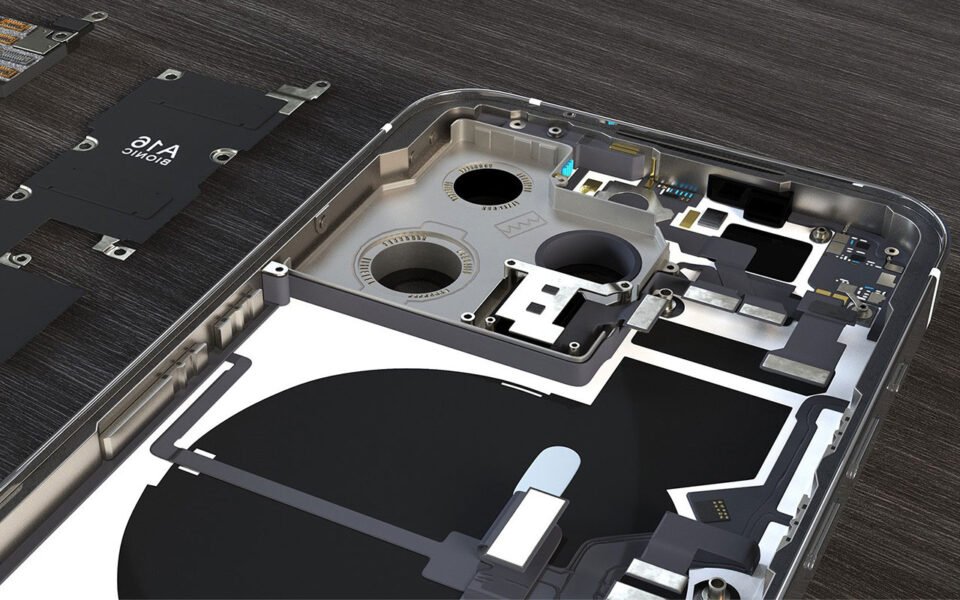
Common Specifications for Mobile Phone Screws
In the manufacturing process of cell phones, miniature precision screws are mainly used, and common specifications include M1.6, M2, M2.5, M3.5, etc.. These screws are usually used to fix components such as cell phone shells and frames, motherboard components, screen modules, battery modules, sensors, camera components, and internal brackets.
Common Types of Screws Used in Mobile Phone
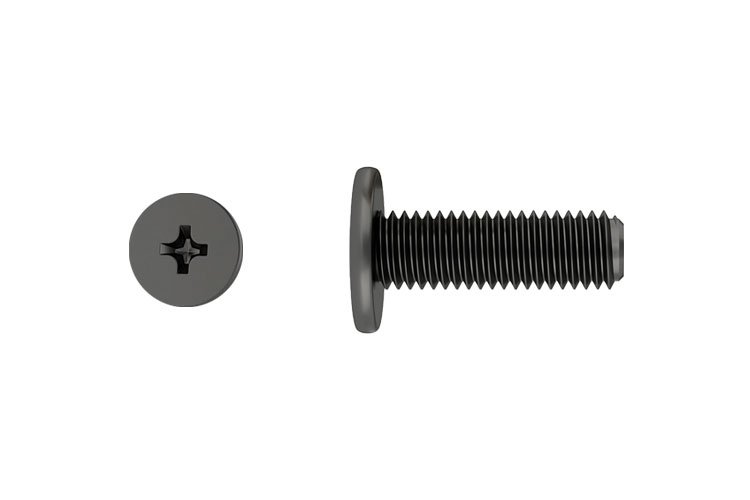
Cross recessed flat head screws are one of the more commonly used screws in cell phones.
- Structure: Thin, flat head + Phillips head.
- Uses: Mobile phone back cover, mid-frame, and partial internal bracket fastening.
- Features: easy to disassemble, suitable for batch assembly. Stable fastening force and high versatility.
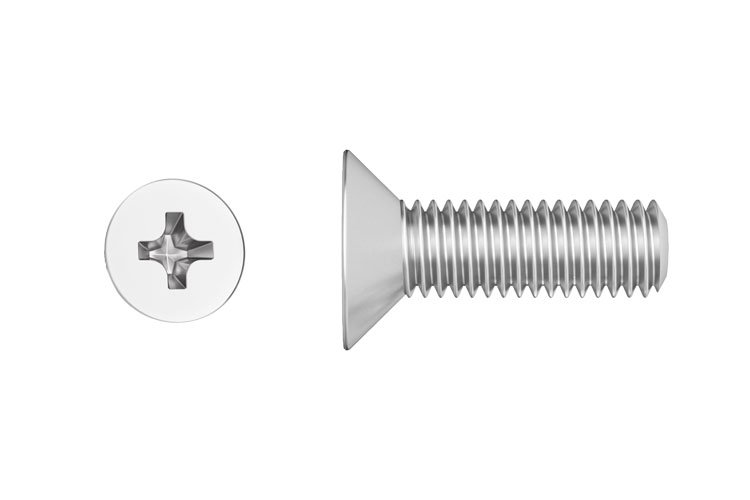
Countersunk screws with cross-recessed heads are primarily used in areas requiring high surface flatness.
- Structure: Tapered head + cross slot.
- Uses: Screen assembly and center frame connection.
- Features: The head of the screw is flush with the surface after installation, which is conducive to screen fit and sealing design.
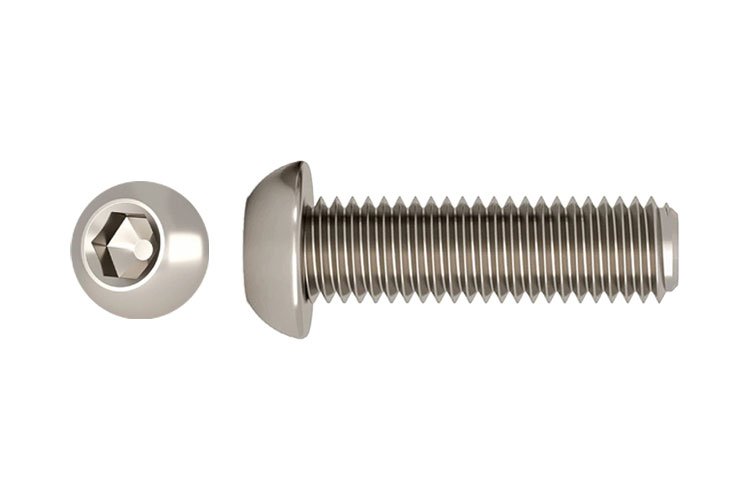
Hex socket screws are primarily used in high-strength connection points within mobile phones.
- Structure: Hexagonal drive hole.
- Uses: motherboard fixing, camera module installation.
- Features: can withstand higher torque, strong fastening force, not easy to slip.
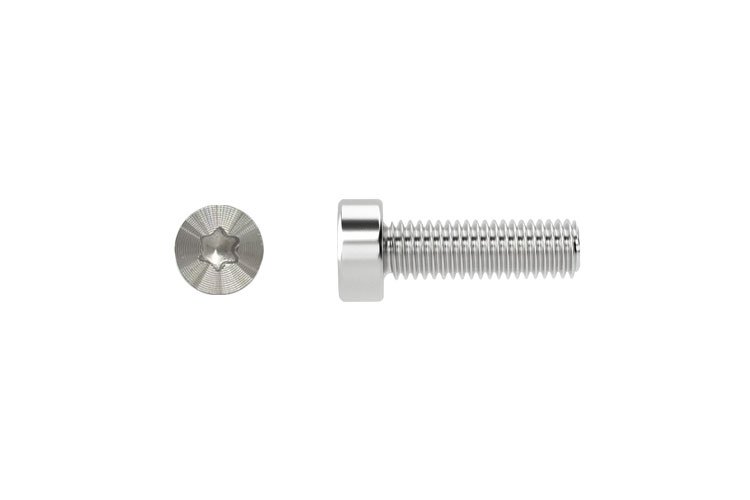
Torx Screw
Torx Screw is commonly used in high-end mobile phones.
- Construction: Star (Torx) drive slot.
- Application: Battery interface, critical connection parts.
- Characteristics: high torque transfer efficiency, not easy to slip teeth, good assembly stability.
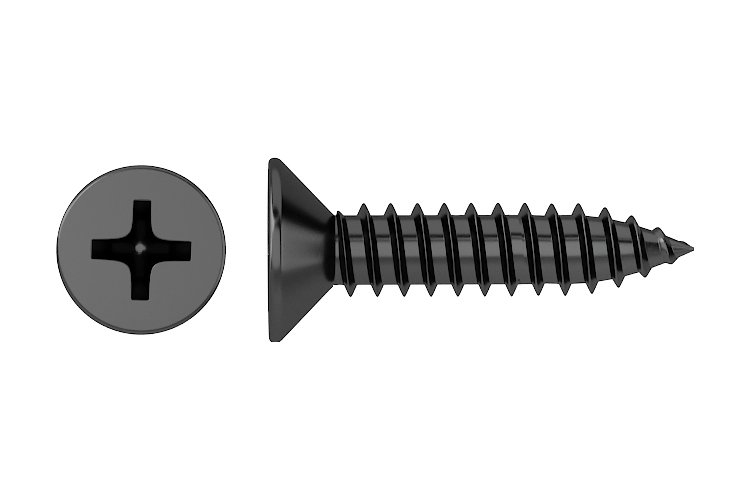
- Structure: Sharp thread.
- Use: Fixing plastic brackets, internal plastic structural parts.
- Features: No pre-drilling required, can be screwed directly into plastic or soft materials.
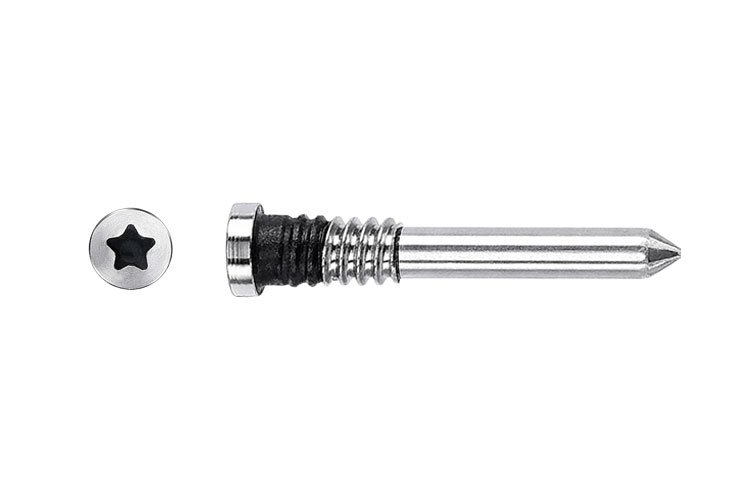
Security Screw
- Structure: Pentagonal screw (e.g. Apple Pentalobe).
- Uses: Protects internal structure and core components.
- Characteristics: Restricts non-professional disassembly.
Common Screw Materials Used in Mobile Phones
| Stainless Steel Screws | Stainless steel screws feature corrosion resistance and high strength, capable of withstanding various environmental factors encountered during mobile phone use, such as sweat and moisture. |
| Titanium Alloy Screws | Titanium alloy screws offer advantages such as lightweight, high strength, and excellent corrosion resistance. Although titanium alloys carry a relatively high cost, they are employed in premium smartphone models with stringent requirements for weight and structural integrity to reduce the overall weight of the device. |
| Aluminum | Aluminum alloy screws feature lightweight construction, excellent thermal conductivity, and superior machinability. Compared to stainless steel and titanium alloys, aluminum alloys offer lower strength but deliver significant weight reduction advantages, helping to decrease mobile phone weight and enhance heat dissipation performance. |
| Brass | Brass screws offer excellent electrical conductivity, thermal conductivity, and magnetic resistance. In mobile phones and precision electronic devices, brass screws are typically used for grounding, shielding, or in areas requiring superior electrical performance. |
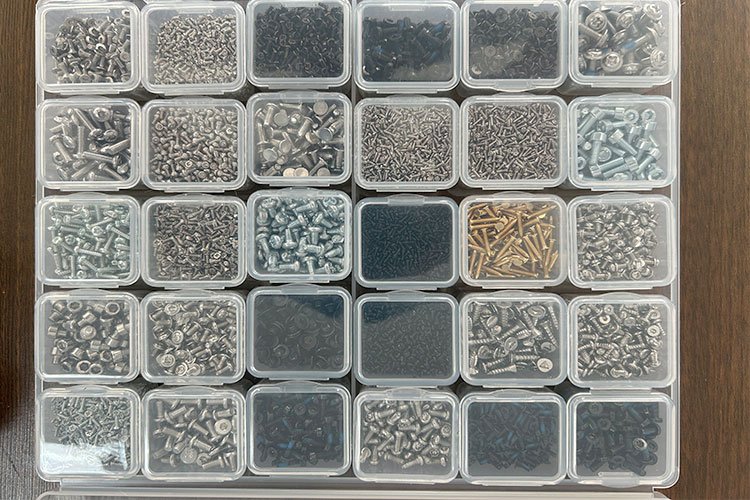
Custom Wholesale Mobile Phone Screw Manufacturer
BD Fastener, as a professional mobile phone screw manufacturer in China, offers screws and non-standard parts in various materials and surface treatments.
- Custom Specifications
- Drawing Design
- Multiple Material Options
- Surface Finishing (Nickel Plating, Blackening, Passivation, etc.)
- Color Customization (Black, Gloss Black, Silver, Gold, Bronze, etc.)
- Consistent Bulk Supply
Conclusion: Small Screws, Big Projects
The screws used in cell phones are small in size, but they are diverse and well-designed. They choose the right type, material and design according to different installation parts and usage requirements, which together guarantee the structural stability and reliable performance of cell phones. With the continuous development of cell phone technology, I believe that more new types of screws will appear in the future, providing strong support for the innovative design of cell phones.