Stainless steel fasteners are widely used due to their excellent corrosion resistance, high strength, and aesthetic appeal. However, during practical use, stainless steel bolts, screws, and nuts often experience thread seizure (also known as “cold welding” or “locking”) due to factors such as overly tight thread engagement, high-temperature environments, or prolonged vibration. This phenomenon makes disassembly difficult and can even damage components. This tendency to seize frequently troubles users. Below, we will delve into the causes of thread seizure in stainless steel fasteners and explore effective solutions to help users resolve the issue efficiently.
What Is Cold Welding (Seizing) in Stainless Steel Screws?
Cold welding of stainless steel screws, also known as galling, refers to the phenomenon where, during tightening or removal, high friction, high pressure, and localized temperature rise cause atomic-level bonding between the threads. This prevents further rotation or disassembly of the screw. This issue is particularly common in austenitic stainless steels (such as A2 / A4 / 304 / 316).
Analysis of Cold Welding
- Material Properties
Stainless steel has poor thermal conductivity, so the heat generated by friction tends to accumulate at the thread contact surfaces. This leads to a rise in local temperature, causing atomic diffusion between the metals and resulting in a phenomenon known as “cold welding.”
- Work Hardening
Stainless steel is relatively hard and exhibits good toughness. During installation, when a tool is used to tighten the screw, the threaded section is subjected to significant compressive and frictional forces. These external forces cause cold work hardening on the surface of the stainless steel threads, meaning the material’s hardness increases while its ductility decreases. As the degree of work hardening intensifies, the microscopic structure of the thread surface changes, becoming denser and harder. As a result, during subsequent removal or retightening, the friction between the threads increases substantially, making the screw prone to seizing or galling.
- Intergranular Corrosion
Certain stainless steel grades, such as austenitic stainless steels, are prone to intergranular corrosion under specific temperature and environmental conditions. Intergranular corrosion is a localized form of corrosion that occurs along the grain boundaries of the metal, weakening the bonding strength between grains. When stainless steel screws are affected by this type of corrosion, the strength and integrity of the threads are compromised, and the surface becomes rough and uneven. During tightening or removal, the rough thread surfaces rub against each other, increasing resistance and thereby causing seizing or jamming. In addition, intergranular corrosion may lead to brittle fracture of the screw under load, further impairing its normal performance.
- Threaded Connection
Insufficient thread accuracy (such as excessive tolerances or mismatched thread profiles) can result in uneven pressure distribution at the contact surfaces, thereby intensifying friction.
Excessive thread surface roughness (for example, due to the absence of polishing or the presence of burrs) can scratch the mating surfaces and increase the risk of seizing or galling.
- Environmental Factors
High-temperature environments accelerate the diffusion of metal atoms, promoting the formation of cold welding.
Corrosive media (such as salt spray and acidic or alkaline environments) can damage the protective oxide film on the thread surfaces, leading to direct metal-to-metal contact.
- Installation Issues
Overtightening or using excessive force during removal (such as with an impact wrench) can deform the threads and increase the likelihood of seizing.
Cross-threading or inclined installation causes uneven load distribution on the threads, leading to localized stress concentration.
If contaminants such as dust, metal chips, or oil are present in the installation environment, they can enter the threads between the screw and the nut. During tightening, these impurities are compressed against the thread surfaces, forming an obstructive layer that increases friction between the threads. For example, when stainless steel screws are installed in a machining workshop, failing to clean the components and installation tools can easily introduce metal chips and other debris into the threads, resulting in screw seizing.
Preventive Measures
Optimized Thread Design
- Select appropriate thread tolerances (such as 6g/6H) to ensure a proper and balanced thread fit.
- For applications with high precision requirements, use rolled threads instead of cut threads, as rolled threads provide lower surface roughness and superior resistance to seizing and galling.
Surface Treatment
- Polishing treatment: Reduce the thread surface roughness to Ra 0.8 μm or below to lower the coefficient of friction.
- Coating protection: Apply lubricating coatings containing molybdenum disulfide (MoS₂) or polytetrafluoroethylene (PTFE) to form a durable lubricating film.
- Passivation treatment: Enhance the density of the surface oxide film to improve corrosion resistance.
Lubrication Management
- Before installation, apply a high-temperature-resistant lubricant (such as lithium-based grease or silicone grease) to the threaded area, and avoid lubricants containing chloride ions, as they may induce pitting corrosion.
- For screws that are frequently removed and reinstalled, replenish the lubricant regularly to prevent failure of the lubricating film.
Installation Force
- Use a torque wrench to tighten screws according to the standard torque values (such as those specified in DIN 912) to avoid over-tightening.
- When removing screws, prioritize using manual tools. If power tools must be used, control the rotational speed (recommended ≤ 500 rpm) and use pulse mode operation.
Environmental Isolation
- In corrosive environments, apply nickel plating, zinc-nickel alloy plating, or Dacromet coating on screws to isolate them from the corrosive media.
- For high-temperature equipment, choose high-temperature-resistant stainless steel materials (such as 310S) or add thermal insulation sleeves.
Processing Method
Physical Removal
- Reverse Impact + Vibration
- Gently tap the screw head or the side of the nut with a hammer to break the cold welding layer through vibration.
- Use an impact wrench on a low setting with short pulses, avoiding excessive force that could damage the threads.
- Heating + Rapid Cooling
- Locally heat the screw (e.g., with a heat gun or torch) to create a gap by exploiting the difference in thermal expansion between stainless steel and its mating parts.
- Quickly cool down after heating (e.g., with a cooling spray) to shrink the mating parts and further widen the gap.
- Note: Keep heating temperature controlled (recommended ≤300°C) to avoid damaging the screw.
- Penetrating Looseners
- Spray a special loosener (such as WD-40 or bolt loosener) to penetrate the thread gaps, dissolve oxides, and lubricate the contact surfaces.
- Wait 10–15 minutes after spraying before attempting to remove.
Chemical Removal
- Acid Bath Dissolution
- For severely damaged screws, soak them in diluted hydrochloric acid (5%-10%) or phosphoric acid solution to dissolve metal oxides.
- Note: Strictly control acid concentration and soaking time to avoid damaging the base material; wear protective gear during the process.
- Electrolytic Corrosion
- Use the screw as the anode and the mating part as the cathode in an electrolyte (such as 10% sodium sulfate solution). Apply electric current to selectively dissolve the metal on the screw surface.
- This method is suitable for precision equipment or cases where mechanical removal is not possible and requires professional equipment.
Destructive Removal
- Drill and Tap Extraction
- Use an electric drill to make a hole in the center of the screw, then use a tap to remove the remaining threads.
- Suitable for cases where the threads are completely damaged and the threaded hole needs repair.
- Oxy-fuel or Plasma Cutting
- For large screws or immovable equipment, use oxy-fuel or plasma cutting to remove the screw head, then extract the remaining part.
- Note: Control the cutting temperature to prevent excessive heat-affected zones.
Conclusion
Cold welding and seizing of stainless steel screws is not a quality defect, but the result of material properties, installation methods, and the use environment combined. With proper material selection, correct torque control, effective lubrication, and surface treatment, most seizing issues can be prevented in advance.
BD Fastener: Premium Stainless Steel Fastener Supplier
BD Fastener is a reliable supplier of custom fasteners. We offer a full range of metric and imperial fasteners, including bolts, screws, nuts, washers, and more. BD Fastener is committed to becoming a trusted long-term partner for customers worldwide through excellent product quality and comprehensive service.
- Technical Consultation: Recommending suitable bolt specifications and performance grades based on application scenarios.
- Customized Production: Supporting small-batch, multi-variety customization of non-standard fasteners.

Stainless Steel Hex Bolt

Stainless Steel Washer

Stainless Steel Hex Nut
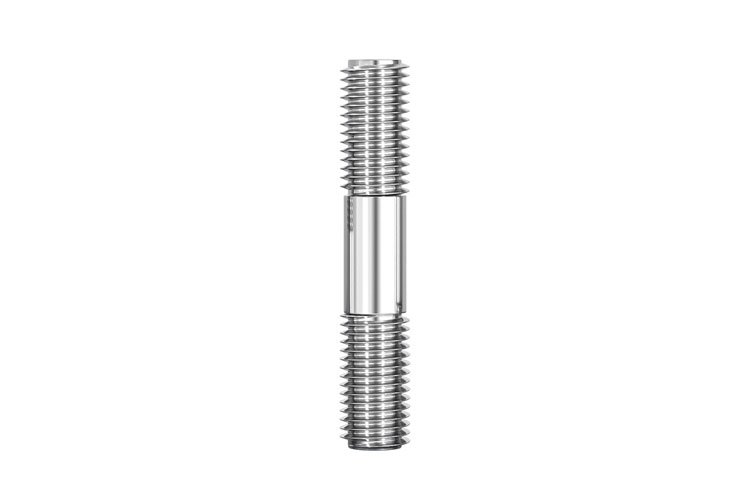
Stainless Steel Stud Bolt
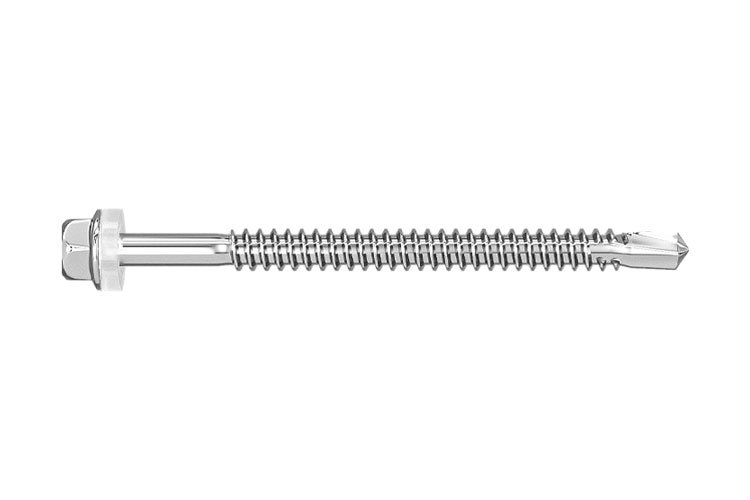
Stainless Steel Drilling Screw

Stainless Steel Carriage Bolt

Stainless Steel Pan Head Screw
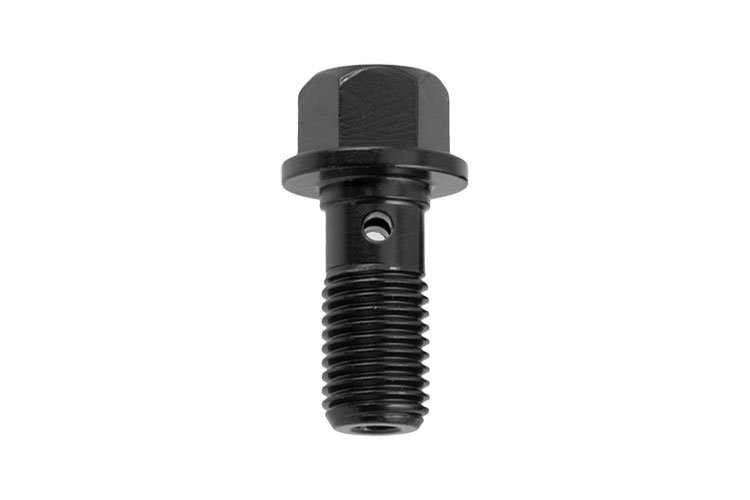
Stainless Steel Banjo Bolt